Ace Alliance Horizon & Speed Rome
Early Bird Passes Available! | November 2, 2026
Get Your Pass!
Table Of Content :

BGC Warns Full UK Gambling Ad Ban Could Boost Black Market

trust
Ace Alliance: Delivering Trust Through Expertise
From exclusive events and interviews to real-time market trends, Ace Alliance brings you unbiased, well-informed, and data-driven content. Our editorial team adheres to strict editorial standards, ensuring that the information you receive is not only relevant but also trustworthy.

Built by market experts hosting events since 2023, with our first event in Riga, Latvia gathering over 300 top level iGaming industry executives, Ace Alliance is able to provide you with reliable information from direct interaction with experts and leaders in the sector.
Altay
Altay Celikkaya
Content Manager
Updated:
Reading Time: 4 minutes

The Betting and Gaming Council has rejected calls for a blanket ban on gambling advertising in Great Britain, warning that tighter restrictions on licensed operators could benefit the black market.

The debate follows an LHGP proposal to extend planned restrictions on unlicensed gambling sponsorship to licensed operators and digital advertising. The government’s current consultation focuses on physical sponsorship and advertising by operators not licensed by the Gambling Commission.

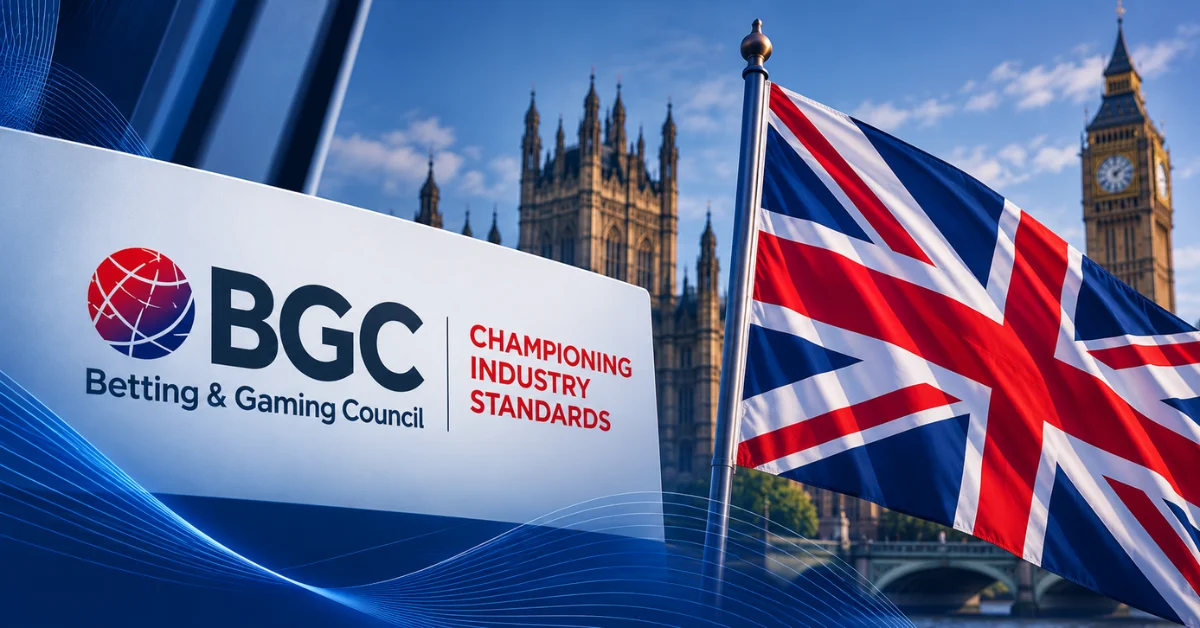
BGC logo and UK flag displayed against a London backdrop with the Houses of Parliament and Big Ben.

Regulation & Compliance

Key Takeaways From the UK Gambling Advertising Ban Debate

  • LHGP wants advertising restrictions to cover both licensed and unlicensed operators across physical and digital channels.

  • The BGC says licensed operators already face strict advertising controls and additional voluntary safeguards.

  • The government’s current proposal targets unlicensed gambling sponsorship and physical advertising rather than the regulated sector as a whole.

  • Black-market growth is becoming central to the debate over how far UK gambling marketing restrictions should extend.

  • Operators, affiliates and sports partners may face further compliance changes as the policy discussion develops.

LHGP Calls for a Broader Gambling Advertising Ban

According to its official consultation response, Local Health and Global Profits (LHGP) argues that restricting only unlicensed brands would address just one part of consumers’ exposure to gambling marketing. It says operators could move their marketing budgets towards licensed sponsorships or digital channels when individual routes are restricted.

The consortium also highlights online marketing, arguing that data-driven targeting, algorithms and other digital techniques allow gambling businesses to reach consumers in ways that would not be covered by a ban focused on physical advertising.

That position goes considerably further than the official DCMS consultation, which proposed banning physical sponsorship and advertising by unlicensed operators across all sectors. The consultation also asked whether restrictions should extend to online and digital platforms, but this was not part of the government’s stated preferred approach. The potential consequences for sports organisations are already significant, with the UK considering criminal penalties linked to sponsorship relationships with unlicensed gambling companies.

BGC Says Licensed Advertising Should Remain Visible

Responding to LHGP’s position, a BGC spokesperson told SBC News that regulated operators should not be treated in the same way as businesses operating outside Great Britain’s licensing system. The spokesperson pointed to existing advertising rules, enhanced online age targeting and additional voluntary measures applying to BGC members.

The spokesperson said:

A blanket ban on advertising by regulated operators would not make gambling disappear.

Separate independent analysis commissioned by the BGC and published in February found that advertising spend by licensed operators had been declining since 2021. Prepared by Alvarez & Marsal, the analysis also found that around 20% of gambling advertising was focused on safer gambling messaging.

The BGC argues that removing licensed advertising could give illegal operators a competitive advantage, particularly across digital channels where enforcement is more difficult. It says the focus should remain on responsible advertising within the regulated market alongside stronger action against operators that do not follow British licensing and consumer-protection requirements.

Regulatory scrutiny of permitted advertising is also increasing. The UK Gambling Commission and the Committee of Advertising Practice introduced AI-supported monitoring in 2026 to identify potentially non-compliant gambling marketing across social media, search and display channels.

Black Market Concerns Shape the Policy Debate

The main dividing line is the role of the illegal market. LHGP treats overall advertising exposure as a public-health concern, while the BGC argues that licensed marketing provides a regulated alternative to operators that do not meet British consumer-protection requirements.

That argument comes as concern over illegal gambling continues to grow. BGC-highlighted research published in September estimated that unlicensed online gambling generated around $50 billion in global gross revenue in 2025. The research also identified advertising, affiliates, payments and technology providers as parts of the wider ecosystem supporting unlicensed operators.

The UK market has its own warning signs. A separate BGC report released in May estimated that betting with unlicensed operators had tripled since 2019 and was approaching £4.3 billion. More recent BGC projections suggest illegal operators could take up to £800 million in bets across the current Premier League season.

These figures create a difficult policy balance. Restricting gambling promotion may reduce exposure to marketing, but measures affecting licensed businesses without reducing access to illegal platforms could produce unintended competitive effects.

What Comes Next for UK Gambling Advertising

The immediate government process remains narrower than the blanket ban proposed by LHGP. DCMS is considering restrictions on unlicensed sponsorship and physical advertising, with a preferred implementation date ahead of the 2027/28 football season. The consultation closed on 9 September and the government will review responses before deciding whether to introduce secondary legislation.

For licensed operators, affiliates and sports partners, however, the debate shows that gambling advertising will remain under regulatory pressure. Attention is shifting from whether individual campaigns comply with existing rules towards broader questions about total marketing exposure, digital targeting and the visibility of illegal operators.

The next policy decision will therefore matter beyond sponsorship contracts. It will indicate whether the UK continues with targeted enforcement against unlicensed operators or begins considering wider limits on how licensed gambling brands can reach consumers.