Ace Alliance Horizon & Speed Rome
Early Bird Passes Available! | November 2, 2026
Get Your Pass!
Table Of Content :

Google Expands Programmatic Gambling Advertising Across 37 Markets

trust
Ace Alliance: Delivering Trust Through Expertise
From exclusive events and interviews to real-time market trends, Ace Alliance brings you unbiased, well-informed, and data-driven content. Our editorial team adheres to strict editorial standards, ensuring that the information you receive is not only relevant but also trustworthy.

Built by market experts hosting events since 2023, with our first event in Riga, Latvia gathering over 300 top level iGaming industry executives, Ace Alliance is able to provide you with reliable information from direct interaction with experts and leaders in the sector.
Altay
Altay Celikkaya
Content Manager
Updated:
Reading Time: 3 minutes

Google has expanded access to online gambling and social casino advertising through its Authorized Buyers marketplace across 37 markets. The change, effective 10 August, removes Google’s end-advertiser certification requirement for this programmatic route, but leaves local licensing rules, content restrictions and the separate Google Ads certification system in place.

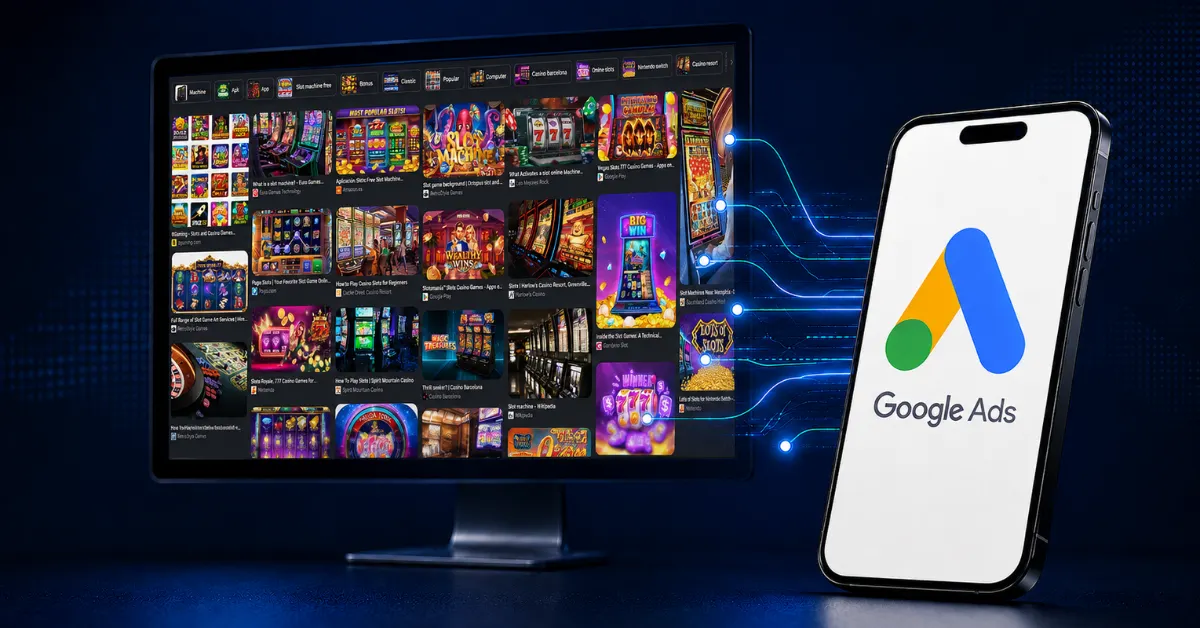
Image showing Google Ads connected to online gaming content displayed on a desktop screen.

Technology & Innovation

Key Takeaways From Google’s Gambling Advertising Expansion

  • Google’s Authorized Buyers policy expansion takes effect on 10 August 2026 across 37 markets.

  • Authorized Buyers no longer need to certify each end advertiser with Google for eligible gambling and social casino campaigns in those markets.

  • The change applies to Google’s programmatic marketplace, not ordinary campaigns placed through Google Ads.

  • Local gambling laws, licensing conditions, age protections and Google’s content standards continue to apply.

  • Publishers may see more gambling advertising demand and retain controls over which categories and buyers can access their inventory.

Authorized Buyers Opens A Wider Programmatic Route

Google’s change expands where online gambling and social casino advertising can appear through Authorized Buyers, the programmatic marketplace used by demand-side platforms and ad networks to bid for publisher inventory.

The 37 markets named in the rollout are Argentina, Australia, Austria, Belgium, Brazil, Canada, Czechia, Denmark, Finland, France, Germany, Greece, Hong Kong, Hungary, Ireland, Israel, Japan, South Korea, Latvia, Mexico, the Netherlands, New Zealand, Norway, Peru, the Philippines, Portugal, Romania, Russia, Serbia, Slovenia, South Africa, Spain, Sweden, Switzerland, Taiwan, Turkey and the United Kingdom.

Eligible creative categories include online casinos and sportsbooks, bingo and slot sites or applications, online lottery products, sports betting and certain games involving virtual currencies or items with real-world value.

Under the updated framework, Authorized Buyers do not have to obtain separate Google certification for every end advertiser whose eligible content they serve in the listed markets. Google’s Gambling and games policy for Authorized Buyers remains the primary reference for the programmatic channel.

The removal of that verification step does not amount to blanket approval for gambling advertising. Campaigns can serve only where their content and targeting comply with applicable national law, regulatory requirements and industry standards.

Authorized Buyers And Google Ads Remain Separate

The most important part of the update is what it does not change.

Authorized Buyers is distinct from Google Ads. It connects approved programmatic buyers with inventory available through Google’s publisher and app advertising systems. Google Ads is the company’s direct campaign platform, where operators, affiliates and other advertisers create and manage campaigns through their own accounts.

Google has explicitly limited the 10 August change to Authorized Buyers. Gambling advertisers using Google Ads must still obtain certification where required and meet the relevant country-specific eligibility conditions.

That distinction matters because Google is simultaneously tightening its direct advertising framework. In March, Google strengthened its gambling-ad certification requirements, placing greater weight on domain ownership, advertisers’ policy histories and repeated violations.

Further changes are approaching. Under a separate Google Ads certification update taking effect on 26 August, new applicants in online gambling, gambling-promoting content, non-casino games requiring certification and social casino gaming must use revised application processes. Google says advertisers will need current licensing information, clearer relationships between advertising entities and licensees, and more detailed destination-site disclosures.

On 14 September, Google is also due to extend its “good policy health” standard across every category covered by the Gambling and Games policy. Manager accounts associated with repeated certificate revocations or recurring gambling-policy violations may lose eligibility for new certifications and could have existing approvals withdrawn.

The result is a two-track approach: wider programmatic distribution through Authorized Buyers alongside tighter verification and account-history checks within Google Ads.

Local Rules Still Determine Eligibility

The expansion changes access to advertising inventory, not the legal status of gambling products. Advertisers must still hold the necessary local permissions and comply with national restrictions on eligible products, audiences and promotional content.

Google also prohibits gambling ads targeting minors and requires campaigns to use approved jurisdictions and responsible-gambling landing pages. Social casino ads face additional disclosure and prize-related rules.

Enforcement remains significant. Google’s 2025 gambling-ad enforcement included the blocking or removal of 270.7 million gambling and games ads, with another 123.9 million restricted. Authorized Buyers may therefore offer broader access, but campaigns remain subject to automated reviews, serving restrictions and local regulatory action.

Wider Reach Brings Greater Responsibility

The 10 August update could increase the volume of gambling and social casino advertising competing for eligible inventory. Publishers can use Google Ad Manager and AdSense controls to restrict sensitive categories, advertiser URLs and individual buyers, allowing them to align advertising with their audiences, editorial standards and local obligations.

Those decisions extend beyond display advertising. YouTube’s restrictions on online gambling and social casino content include age limits and controls on links directing viewers to uncertified services.

The expansion therefore does not represent a general easing of Google’s gambling rules. Local licensing remains decisive, publishers retain responsibility for the advertising they accept, and requirements differ by platform and jurisdiction. Google is widening programmatic access while strengthening oversight elsewhere, creating greater reach alongside a more fragmented compliance environment.