

Ace Alliance Horizon & Speed Rome
Early Bird Passes Available! | November 2, 2026
Get Your Pass!
Table Of Content :

Illinois Moves to Expand Gambling Self-Exclusion

trust
Ace Alliance: Delivering Trust Through Expertise
From exclusive events and interviews to real-time market trends, Ace Alliance brings you unbiased, well-informed, and data-driven content. Our editorial team adheres to strict editorial standards, ensuring that the information you receive is not only relevant but also trustworthy.

Built by market experts hosting events since 2023, with our first event in Riga, Latvia gathering over 300 top level iGaming industry executives, Ace Alliance is able to provide you with reliable information from direct interaction with experts and leaders in the sector.
Altay
Altay Celikkaya
Content Manager
Updated:
Reading Time: 4 minutes

The Illinois Gaming Board has approved proposed changes designed to make voluntary self-exclusion easier to enter, more flexible and eventually available across the state’s video gaming network. Announced on 4 September 2026, the measures would introduce shorter exclusion periods, authorise additional enrolment routes and extend protections against targeted marketing. The board also adopted a resolution supporting the future inclusion of video gaming terminals in the programme.

The reforms respond to a market transformed since Illinois established its Self-Exclusion Program in 2002. However, the Illinois Gaming Board’s official announcement makes clear no changes took effect at the meeting. Administrative rulemaking, public comments, technical development and review by JCAR will be required before implementation.
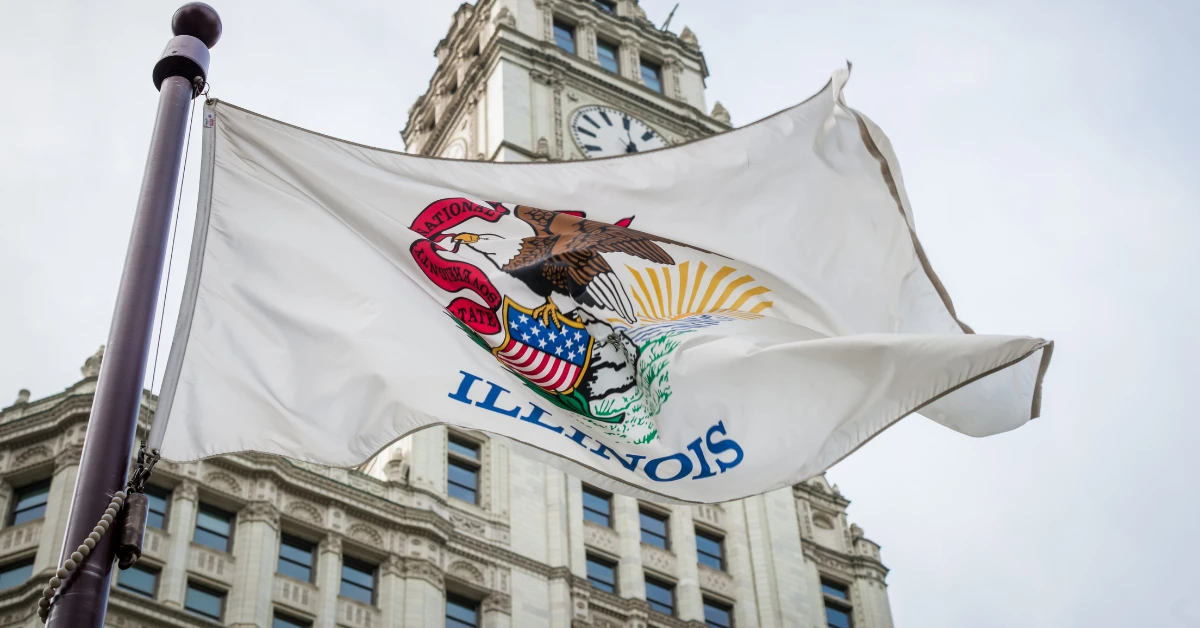
Illinois state flag waving outside a government building as regulators consider gambling self exclusion reforms

Regulation & Compliance

Key Takeaways From Illinois’s Self-Exclusion Proposal

  • Players could choose exclusion periods of six months, one year, three years, five years or indefinitely.

  • New enrolment channels could reduce reliance on visits to approved physical locations.

  • Video gaming integration would ultimately extend protection across approximately 9,000 licensed establishments.

  • The proposals remain subject to public rulemaking and should not be treated as operational requirements.

Shorter Exclusion Periods Could Reduce Entry Barriers

Illinois currently applies a five-year minimum within a programme historically associated with lifetime exclusion. The proposed framework would replace that structure with five choices, ranging from six months to an indefinite term. The policy question is whether flexible commitments can encourage participation among people unwilling to accept a lengthy minimum restriction.

Explaining the direction, IGB Administrator Marcus D Fruchter said,

Modernization and expansion of the SEP must keep pace with the evolution of Illinois gaming in a thoughtful and intentional manner.

Shorter terms are intended to reduce enrolment friction while preserving longer options for participants.

Self-exclusion is one element within the range of responsible gambling tools that help players maintain control. Its practical value depends on clear terms, accessible registration and consistent enforcement across every gambling channel covered by the programme.

Additional Enrolment Routes Would Expand Access

Participation currently requires an individual to appear at an IGB-sanctioned enrolment location, including Illinois casinos. Requiring an in-person visit can create barriers, particularly when a person must enter a gambling venue to request protection from gambling.

The adopted amendment would give the regulator authority to establish alternatives after review and engagement. Options identified by the IGB include enrolment through notarised mail, referral by a treatment provider and an online portal. None is immediately available under the board’s action, and each route requires procedures confirming identity, consent and programme terms.

For operators, broader enrolment access would increase the importance of data distribution. Casino, sportsbook, fantasy contest and, eventually, video gaming systems would need processes to identify excluded individuals and suppress prohibited activity without creating inconsistent records between channels.

Video Gaming Coverage Presents the Largest Implementation Test

The existing programme covers casino gambling and sports wagering but excludes Illinois video gaming. That gap is significant because Illinois has approximately 9,000 licensed video gaming establishments, creating a network different from casinos and account-based sportsbooks.

The resolution establishes integration as a policy objective rather than an immediate rule. The proposed model would use identity card readers installed at redemption terminals and ticket-in-ticket-out technology. Once implemented, video gaming terminals would stop accepting or storing cash directly, while customers would use a redemption device to begin play and collect winnings.

Illinois faces the challenge of connecting self-exclusion checks to thousands of physical locations. Similar questions appear in Romania’s effort to connect land-based and online self-exclusion. Experience in the Netherlands also shows that technology must be supported by effective venue controls, following reported Cruks identity-check weaknesses at Dutch gambling locations.

The IGB must still develop technical standards, propose implementing rules and consult stakeholders. Operators and suppliers will need clarity on hardware deployment, identity matching, data handling, exception management and responsibility for failed checks before the system can operate at scale.

Marketing Controls and Fantasy Contests Extend the Reform

A separate amendment would create a voluntary Marketing Exclusion List. Former programme participants would, by default, remain protected from targeted licensee marketing for 12 months after their selected exclusion period ends. Individuals could still choose to receive generally available promotions, but operators would be restricted from directing campaigns specifically towards them.

The distinction will require accurate customer suppression controls and coordination between responsible gambling, compliance and marketing teams. The operational risk is illustrated by Australian enforcement involving self-exclusion and marketing failures, where weaknesses included both accepting play and sending promotional material to an excluded individual.

The board also advanced proposed rules for fantasy contests following amendments to the Illinois Sports Wagering Act. Although fantasy contests are legally distinct from sports gambling in the state, the framework would bring them within the Self-Exclusion Program, set a minimum participation age of 21 and impose consumer-protection duties tailored to fantasy operators.

The three self-exclusion amendments will proceed to JCAR for the public rulemaking process. Video gaming integration follows a separate, longer path involving technical standards and future implementing rules. Until those stages are completed, licensees should treat the package as a regulatory direction of travel and prepare for consultation, not as a set of requirements already in force.