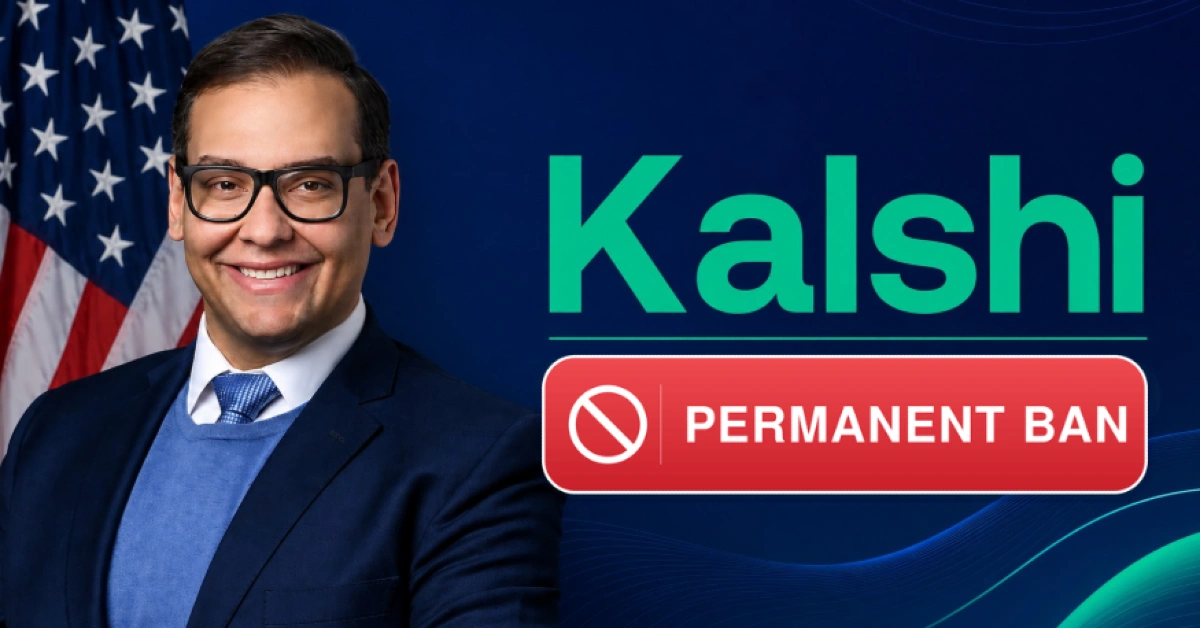
Prediction-market operators have already begun expanding controls for higher-risk contracts. Earlier in 2026, Kalshi and Polymarket introduced additional insider-trading guardrails involving position limits, eligibility requirements, enhanced monitoring and escalation procedures.
The Santos case shows why written restrictions must be supported by enforceable systems. Operators need to connect identity data, occupation information, order history, market exposure and relevant public communications. Surveillance tools should be capable of identifying situations in which a participant’s statements coincide with favourable price movements or changes in trading behaviour.
Compliance procedures should also define when an account must be frozen, what information should be requested and when a case should be reported to regulators. Reliable audit trails are essential for demonstrating how alerts were investigated and how sanctions were applied. Controls covering indirect access may require coordination with payment providers, affiliates, account-service suppliers and other commercial partners.