
Ace Alliance Horizon & Speed Rome
Sold Out! | November 2, 2026
Event Details
Table Of Content :

Lithuanian Coalition Group Backs Progressive Gambling Tax Plan

trust
Ace Alliance: Delivering Trust Through Expertise
From exclusive events and interviews to real-time market trends, Ace Alliance brings you unbiased, well-informed, and data-driven content. Our editorial team adheres to strict editorial standards, ensuring that the information you receive is not only relevant but also trustworthy.

Built by market experts hosting events since 2023, with our first event in Riga, Latvia gathering over 300 top level iGaming industry executives, Ace Alliance is able to provide you with reliable information from direct interaction with experts and leaders in the sector.
Altay
Altay Celikkaya
Content Manager
Updated:
Reading Time: 3 minutes

Lithuania’s governing coalition has moved towards introducing a progressive gambling tax that could generate approximately €36 million in additional budget revenue. Representatives of three governing parties agreed on the taxation principle during a working group meeting on 5 November 2026, although the proposed rates and legislative details remain undecided.

The development marks another step in Lithuania’s 2027 budget negotiations, with gambling taxation becoming part of broader efforts to increase government revenue.
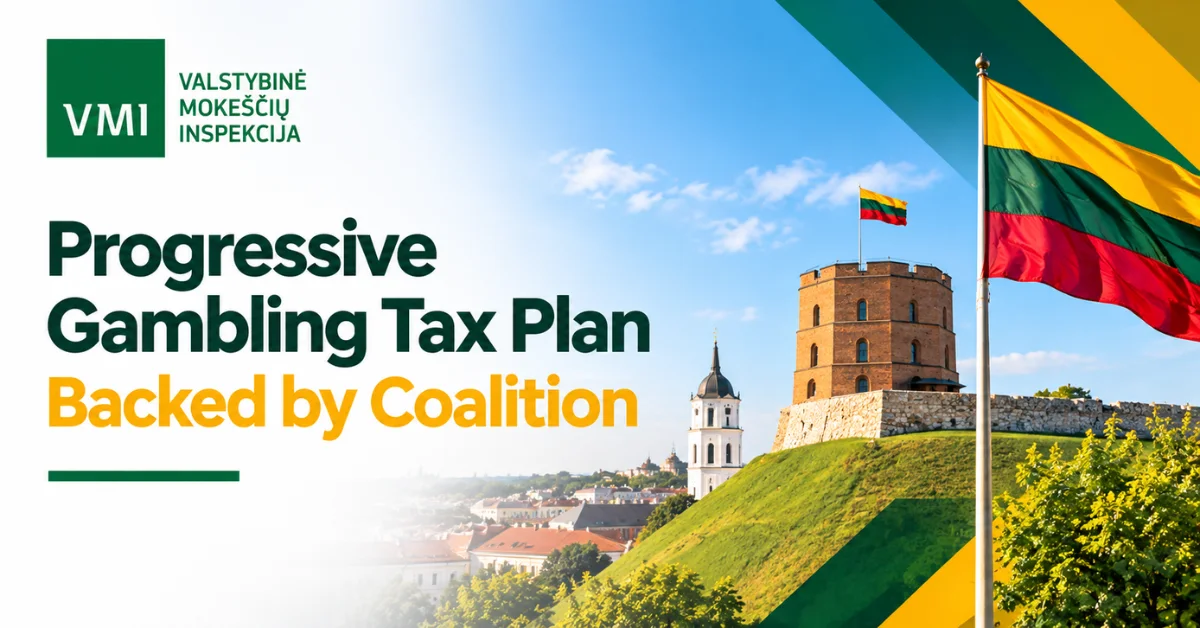
Vilnius skyline and Lithuanian flag illustrate coalition support for gambling tax reform.

Regulation & Compliance

Key Takeaways From Lithuania's Gambling Tax Proposal

  • Representatives of three governing parties have agreed to support progressive taxation of gambling activities.

  • The proposed changes could generate approximately €36 million in additional government revenue.

  • Lithuania currently applies a 22% tax to gambling revenue after player winnings are deducted.

  • The Ministry of Finance is finalising its assessment, while the proposed tax brackets remain undetermined.

  • Parliamentary approval is still required before any new gambling tax rules can take effect.

Coalition Working Group Agrees on Progressive Gambling Tax

The agreement emerged from discussions involving representatives of Lithuania’s Social Democratic Party, the Lithuanian Farmers and Greens Union and the Democratic Union.

According to Lithuanian news agency BNS, Tomas Tomilinas, chairman of the Seimas Committee on Social Affairs and Labour, confirmed that the working group had agreed on progressive gambling taxation.

Tomilinas said:

We have finally decided on a progressive tax specifically for gambling.

He estimated that the proposed model could generate approximately €36 million in additional revenue. However, the Ministry of Finance must complete its assessment before confirming specific tax rates.

The working group’s agreement does not constitute parliamentary approval or establish binding obligations for gambling operators.

How Lithuania's Current Gambling Tax Works

According to the Lithuanian State Tax Inspectorate, licensed gambling operators currently pay a 22% tax on stakes received after deducting winnings paid to players.

The rate increased from 20% on 1 January 2025 and applies to online gambling, betting, gaming machines and other regulated gambling activities.

A progressive structure could introduce different tax rates depending on the taxable amount. However, the government has not confirmed the thresholds or the calculation method.

Lithuania has also been developing other regulatory changes, including proposals for mandatory gambling player cards, which could introduce additional compliance requirements.

What Could Higher Gambling Taxes Mean for Operators?

The proposed changes could affect profitability, financial planning and investment decisions across Lithuania’s regulated gambling market.

For B2B suppliers and licensed operators, the eventual impact will depend on the approved rates, thresholds and implementation timetable.

Similar debates are taking place elsewhere in Europe. Italy’s gambling revenue plans target approximately €2 billion in additional revenue between 2027 and 2029.

Meanwhile, the Dutch gambling industry’s concerns over tax increases illustrate the wider debate about taxation, regulated-market competitiveness and potential channelisation risks.

These international developments provide context, although Lithuania has not published an assessment establishing comparable market effects.

What Happens Next?

The Ministry of Finance is expected to complete its assessment as coalition negotiations continue over the 2027 budget.

The working group’s proposals must still progress through the political and legislative process. Specific tax brackets, final revenue estimates and implementation arrangements remain subject to further decisions.

Until those details are confirmed, the €36 million figure remains a political revenue estimate, not an approved budget measure.