

Ace Alliance Horizon & Speed Rome
Early Bird Passes Available! | November 2, 2026
Get Your Pass!
Table Of Content :

São Paulo Governor Calls for National Ban on Online Betting

trust
Ace Alliance: Delivering Trust Through Expertise
From exclusive events and interviews to real-time market trends, Ace Alliance brings you unbiased, well-informed, and data-driven content. Our editorial team adheres to strict editorial standards, ensuring that the information you receive is not only relevant but also trustworthy.

Built by market experts hosting events since 2023, with our first event in Riga, Latvia gathering over 300 top level iGaming industry executives, Ace Alliance is able to provide you with reliable information from direct interaction with experts and leaders in the sector.
Altay
Altay Celikkaya
Content Manager
Updated:
Reading Time: 3 minutes

São Paulo Governor Tarcísio de Freitas has called for Brazil to end online betting platforms, citing public health concerns. He made the remarks on 17 August at the Diálogos da Saúde event, organised by SindHosp and Fesaúde. Tarcísio, who is seeking re-election, also called for a national programme to treat gambling addiction. However, he did not present a legislative proposal or explain how such a programme would be funded or implemented.
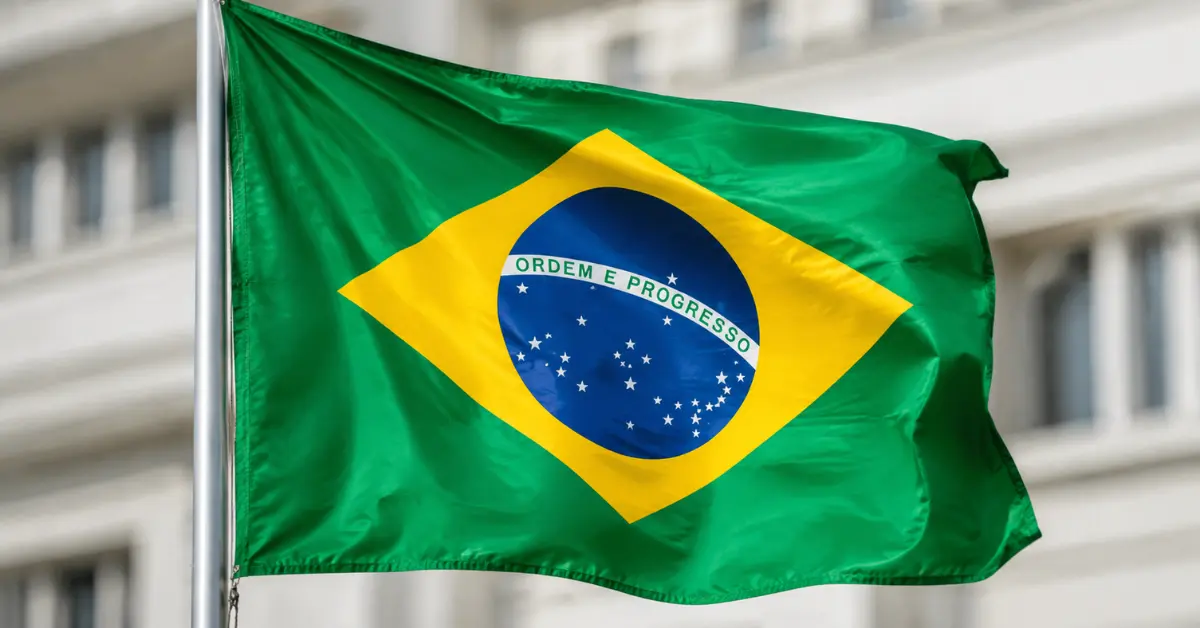
Brazilian flag waving outside a government building in daylight.

Regulation & Compliance

What Tarcísio’s Betting Ban Call Means for Brazil: Key Takeaways

The governor’s comments add to political pressure on Brazil’s regulated betting industry, although they do not immediately change the country’s legal framework.

  • Tarcísio called for an end to online betting platforms, describing gambling-related harm as a public health issue.

  • He called for a national, accessible and digital programme to treat people experiencing gambling problems.

  • He claimed that betting accounts for 20% to 25% of Brazilians’ income but did not provide a supporting source.

  • Official SPA figures presented to Congress put licensed-market player losses at approximately 0.5% of household budgets on average in 2025.

  • The remarks reflect a political position rather than an enacted ban, draft law or regulatory decision.

At the event, Tarcísio compared the challenges associated with online betting to Brazil’s previous efforts to reduce tobacco use. He argued that gambling addiction should be treated as an illness and that affected individuals should have access to specialised public healthcare.

Either Brazil ends betting, or betting ends Brazil

the governor said.

Tarcísio also linked betting participation to household debt and reduced workplace productivity. He said some employers were investing in therapy for employees affected by gambling-related problems and framed the issue as part of a broader discussion about mental health and economic performance.

The governor said a future public health programme should be robust, accessible and digital. He did not specify whether it would operate at state or federal level or provide details about its budget, timetable or policy framework.

Official Data Puts Household Betting Losses at 0.5%

Tarcísio claimed that between 20% and 25% of Brazilians’ income was committed to betting but did not provide a source or methodology for the figure. Available federal data provides a different national-average benchmark.

During an official Chamber of Deputies hearing on betting’s economic and public health effects, SPA representative Leandro dos Reis Lucchesi presented the following figures:

The SPA figures reflect activity within Brazil’s regulated system and exclude spending with unlicensed operators. Lucchesi cautioned that the national average does not show how betting expenditure is distributed among players, with higher-intensity users remaining a regulatory and public health priority.

The figures follow Brazil’s first full year of regulated betting operations, during which the licensed sector recorded approximately BRL 37 billion in gross gaming revenue and authorities expanded self-exclusion and enforcement measures.

Political Calls Do Not Alter Brazil’s Betting Laws

Tarcísio’s remarks do not constitute a regulatory order or a formal proposal to repeal Brazil’s betting legislation. Fixed-odds sports betting was legalised under Law No. 13,756/2018, while Law No. 14,790/2023 established rules covering online gaming. The federally regulated market began operating fully in January 2025 under the supervision of the Secretariat of Prizes and Betting.

As a state governor, Tarcísio cannot impose a nationwide prohibition independently. Any national ban would require action through Brazil’s federal legislative and executive processes.

His intervention nevertheless adds to a wider political debate. President Luiz Inácio Lula da Silva has also expressed support for shutting down online betting platforms because of concerns about household debt and gambling harm. The Brazilian Institute of Responsible Gaming subsequently argued that prohibition could push players towards unlicensed operators without consumer protection or regulatory oversight.

SPA Continues Enforcement Under the Regulated Model

While political figures debate prohibition, the SPA continues to enforce the existing licensing and compliance framework. The regulator recently suspended 14 betting sites over compliance failures involving regulatory reporting, responsible gambling controls and corporate documentation.

The suspensions were precautionary measures rather than final licence revocations. Affected platforms were restricted to processing customer withdrawals while their operators addressed the identified deficiencies.

The enforcement action illustrates the policy alternative currently being pursued at federal level: maintaining a regulated market while strengthening supervision, consumer safeguards and intervention for higher-risk gambling behaviour. Tarcísio’s comments place that approach under renewed political scrutiny ahead of Brazil’s 2026 elections.