





The Wisconsin Elections Commission (WEC) has issued a formal warning advising voters that placing wagers on election outcomes, including trades on commercial prediction markets, can result in voter disqualification and potential criminal prosecution. Following a unanimous bipartisan vote, the commission released official guidance reiterating that state law explicitly prohibits individuals from voting in any election in which they hold a direct or indirect financial stake.
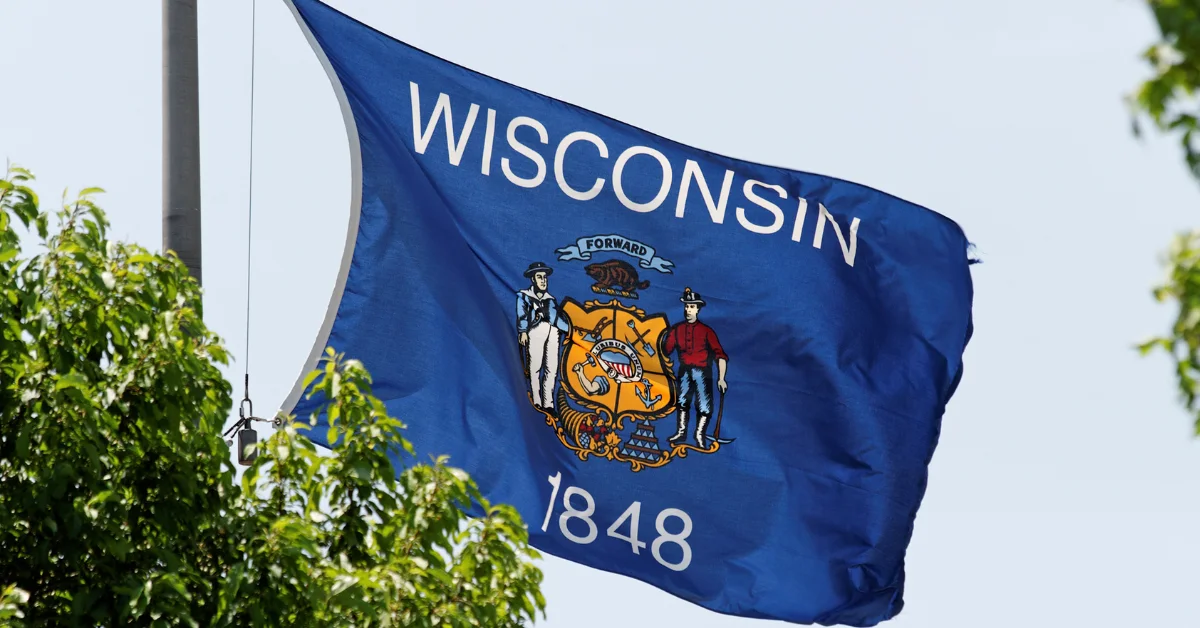
With prediction market platforms experiencing growing popularity across the United States, state election administrators confirmed that electors who participate in event-based wagering pools risk having their ballots challenged, invalidated, and referred for felony prosecution if they attempt to vote.
Key Implications of Wisconsin’s Election Betting Mandate
The bipartisan guidance highlights the friction between emerging financial derivatives, event wagering platforms, and state-level electoral integrity laws.
- Statutory Voter Disqualification: Under Wisconsin Statute § 6.03(2), any individual who makes or becomes interested in a bet or wager contingent on an election outcome is legally disqualified from voting in that contest.
- Potential Class I Felony Penalties: Attempting to cast a ballot while disqualified under state gambling statutes constitutes illegal voting under Wisconsin Statute § 12.13(1)(a), which is classified as a Class I felony.
- Administrative Eligibility Challenges: Electors flagged for participating in election wagering face formal administrative challenges to their voter registration, which can lead to immediate ballot rejection.
- Cross-Branch Government Restrictions: The warning follows executive measures restricting public personnel, aligning with regional policy shifts like when the Arizona governor banned state workers from prediction markets over insider trading concerns.
Intersection of Ancient Gambling Statutes and Web3 Prediction Markets
The WEC’s advisory targets modern financial event platforms, such as Kalshi and Polymarket, which allow users to trade binary contracts on political outcomes. While platform operators argue that event contracts represent federally regulated financial derivatives rather than traditional sports wagers, the WEC confirmed that state statutory prohibitions apply broadly to any financial wager tied to electoral results. Administrator Meagan Wolfe emphasised that while the commission does not directly monitor trading software, voters must face the statutory consequences if a wager is identified during eligibility audits. Wolfe said,
We want voters to understand that they cannot legally make a bet on an election and cast a ballot in that same election. We are not able to police someone placing a bet on these platforms, but it’s important for voters to understand the consequences if they bet on an election outcome.
This state-level enforcement comes amidst broader statutory debates over event-based wagering across the United States. While commercial operators continue expanding sports wagering options, similar to the framework introduced when Wisconsin online sports betting was legalised under AB 601, election wagering remains strictly prohibited under Wisconsin law.
Nationwide State Resistance to Political Event Derivatives
Wisconsin is not alone in taking aggressive legal action against political wagering pools. Over 20 US states maintain explicit statutory provisions prohibiting election betting, creating a complex regulatory environment for retail trading platforms. State lawmakers across the country have moved swiftly to enact statutory firewalls, mirroring legislative efforts seen when the Minnesota legislature passed a prediction market ban under SF 4760.
Furthermore, state law enforcement officials are actively contesting federal preemption arguments raised by prediction exchanges. State regulators continue to push back against federal oversight, aligning with the multi-state coalition where attorneys general challenged CFTC prediction market rules to preserve state authority. These coordinated state interventions reflect a broader, nationwide effort to insulate public elections from financial speculation, echoed federally by proposed legislation like the Bets Off Act to ban prediction market bets on government actions.
Operational Outlook for Election Administrators and Trading Platforms
The WEC’s guidance establishes a precedent that could prompt similar election board warnings across other US jurisdictions ahead of upcoming electoral cycles. For event prediction platforms and retail participants, state-level voter disqualification laws introduce significant legal friction.
Moving forward, commercial trading exchanges face pressure to implement enhanced geoblocking, user disclosures, and compliance warnings for state residents. Voters in Wisconsin who hold active event contracts on political outcomes must choose between liquidating their financial positions or forfeiting their statutory right to cast a ballot.