

Ace Alliance Horizon & Speed Rome
Early Bird Passes Available! | November 2, 2026
Get Your Pass!
Table Of Content :

GCI Estimates Unregulated Operators Captured 69% of World Cup Online Betting

trust
Ace Alliance: Delivering Trust Through Expertise
From exclusive events and interviews to real-time market trends, Ace Alliance brings you unbiased, well-informed, and data-driven content. Our editorial team adheres to strict editorial standards, ensuring that the information you receive is not only relevant but also trustworthy.

Built by market experts hosting events since 2023, with our first event in Riga, Latvia gathering over 300 top level iGaming industry executives, Ace Alliance is able to provide you with reliable information from direct interaction with experts and leaders in the sector.
Altay
Altay Celikkaya
Content Manager
Updated:
Reading Time: 2 minutes

According to Gaming Compliance International, unregulated and unlicensed operators accounted for an estimated 69% of the 2026 FIFA World Cup’s global online betting handle. GCI valued total online wagering at $593 billion, with approximately $409 billion attributed to unregulated channels; the report also found that illegal sports streaming gave these operators access to large football audiences, creating significant challenges for regulators, licensed sportsbooks, broadcasters, and rights holders.
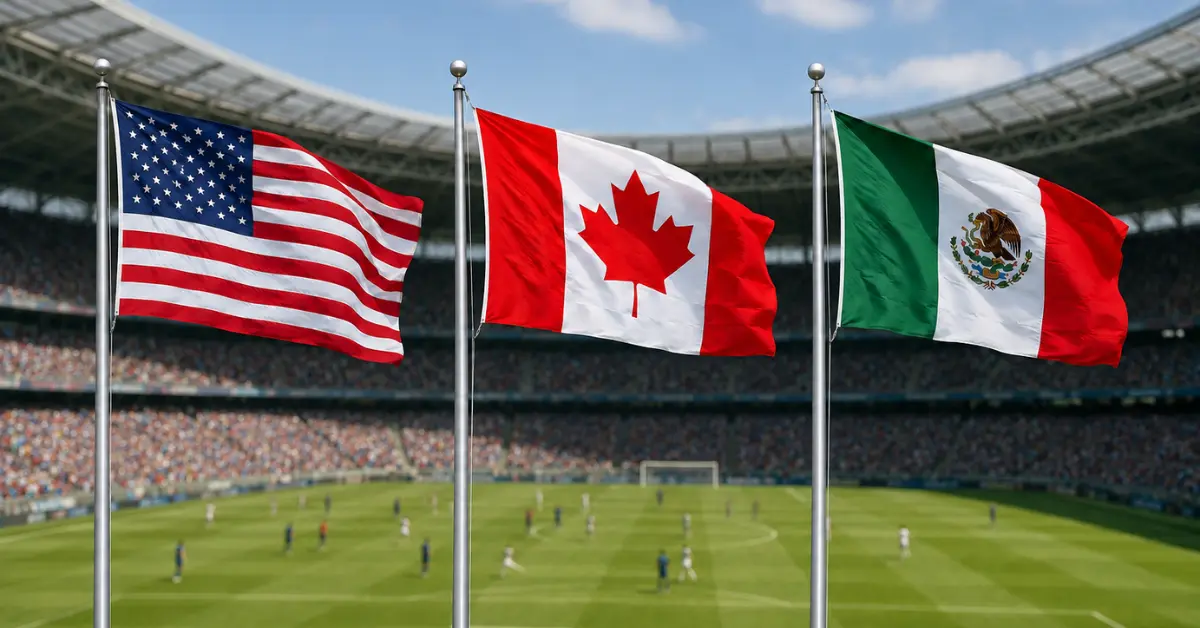
Flags of the United States, Canada and Mexico displayed in front of a football match at a stadium.

Regulation & Compliance

Key Takeaways From GCI’s World Cup Betting Analysis

  • Unregulated channels were estimated to represent $409 billion, or 69%, of the global online betting handle.

  • Regulated operators accounted for the remaining $184 billion, equal to 31%.

  • GCI recorded 174.3 billion qualifying illegal stream views of at least 90 seconds.

  • Approximately 95% of those views carried advertising for unregulated gambling services.

  • The figures represent estimated wagering value, not operator revenue or player losses.

Illegal Streaming Created an Acquisition Channel for Operators

GCI reported that illegal streams averaged 1.68 billion qualifying views per match. This figure reflects total stream views, not unique viewers, and includes interruptions, refreshes, and users switching between mirror sites.

The analysis found that advertising on pirate streams enabled unregulated operators to reach viewers during matches as new betting markets opened. GCI observed affiliate arrangements offering publishers 25% to 50% of net gaming revenue from referred customers.

Matt Holt, CEO of GCI, said:

Consumers experience one marketplace, and illegal streaming is an industrial-scale part of it.

The findings suggest that enforcement efforts limited to removing individual domains are less effective when streaming platforms, advertising networks, affiliates, and payment channels operate across multiple jurisdictions.

Thailand Blocked 13,888 World Cup Gambling URLs

National enforcement campaigns also reflected the scale of unauthorised activity. Thailand’s Ministry of Digital Economy and Society reported blocking 13,888 social media pages, websites, and other URLs linked to unlawful online gambling between 1 and 18 June.

The operation, which used artificial intelligence to identify relevant digital content, formed part of Thailand’s wider crackdown on World Cup-related gambling URLs. The ministry’s official announcement said court orders and cooperation with online platforms supported the blocking process.

Channelisation Remains a Wider Regulatory Concern

GCI’s global estimates also underline the importance of channelisation, which measures the proportion of gambling activity retained within licensed markets.

In June, Sweden’s gambling authority estimated the country’s competitive gambling market achieved an 84% channelisation rate in 2025, down from 85% in 2024. The regulator found that Sweden’s online gambling channelisation remained below the state target, despite a much higher licensed share than GCI’s estimate for the global World Cup market.

The official Spelinspektionen report identified self-exclusion, perceived winning opportunities and access to products unavailable in Sweden as reasons some players used operators outside the national licensing system.