





Ukraine’s government has published a draft resolution proposing a comprehensive system to restrict military personnel from participating in online and land‑based gambling activities while martial law remains in effect. The move is part of broader public order and social welfare measures intended to safeguard service members’ wellbeing and operational readiness amid ongoing security challenges.
The proposed regulation outlines mechanisms to prevent active-duty servicemembers from accessing gambling services, incorporating both technical restrictions and administrative enforcement measures.
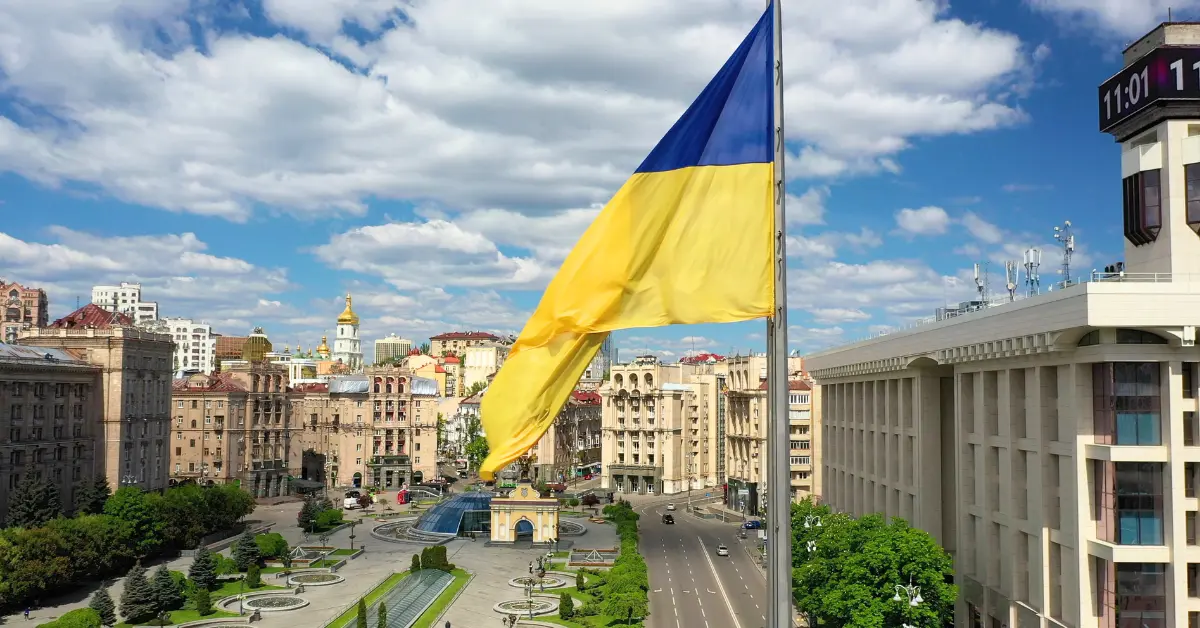
Proposed Restrictions Target Military Participation in Gambling
The draft resolution, published by Ukraine’s Ministry of Digital Transformation, specifies that members of the armed forces will be barred from entering gambling venues or engaging in remote gambling while martial law is in force.
Key components of the proposal include:
- A centralised exclusion mechanism preventing registered military personnel from accessing licensed gambling services.
- Provisions covering both land‑based gambling facilities and online platforms.
- Administrative processes for updating and verifying personnel status.
- Enforcement responsibilities delegated to relevant military and regulatory authorities.
- Compliance obligations for gambling operators to support restriction protocols.
The initiative aims to enhance discipline and protect service members from potential financial harm and distraction during wartime conditions, reflecting broader public policy concerns about the wellbeing of troops and their families.
Under the draft, gambling operators licensed in Ukraine would be required to integrate with the exclusion system and block access for individuals identified as active-duty military personnel.
If adopted, the resolution would represent one of the most expansive restrictions on gambling participation tied to martial law conditions in the region.
New Compliance Standards and Technical Obligations for Gambling Operators in Ukraine
To operationalise the restriction, the draft calls for the development of an information system that interfaces with military personnel databases and gambling operators’ verification systems.
The proposed framework would require licensed operators to:
- Access a secure exclusion registry maintained by government authorities.
- Apply real‑time checks against the registry during account registration and wagering.
- Deny access and gaming functionality to flagged individuals.
- Report compliance status to regulatory oversight bodies.
Operators failing to comply could be subject to administrative sanctions under existing Ukrainian gambling and public order laws.
These technical requirements mark a significant enforcement expectation for licence holders, particularly as Ukraine continues to refine its regulatory infrastructure. Previous reforms have included proposals to introduce new gambling law structures and tax changes designed to strengthen oversight and revenue collection. The move complements broader policy developments, such as Ukraine’s recent gambling regulation and tax reform bills, which aim to modernise the legal framework and enhance fiscal transparency.
Military Welfare and Broader Social Policy Considerations
Officials advancing the proposal have emphasised military welfare as a central rationale. Proponents argue that limiting access to gambling can reduce the risk of addiction, financial strain, and related social issues among servicemembers and their households, risks perceived as heightened under the stress of martial law.
The restrictions also intersect with public perceptions of social responsibility and national solidarity, particularly as the country remains deeply engaged in ongoing defence operations.
As policymakers weigh the measure, debate is expected around the balance between personal liberties and collective welfare obligations during an extended period of martial governance.
How Ukraine’s New Gambling Regulations Will Affect the Industry and Operators
Ukraine’s gambling market has undergone significant legislative activity in recent years, with authorities progressively refining licensing regimes, operational standards, and tax policies. Earlier measures have included adjustments to licensing structures and fiscal reporting requirements, contributing to both compliance certainty and state revenue. For example, recent official data highlighted that Ukrainian gambling licences generated substantial revenue, contributing millions to public coffers as the sector stabilised post‑legalisation. Such developments illustrate the broader regulatory momentum shaping Ukraine’s gaming industry.
Operators now face an evolving compliance landscape where participation restrictions, such as those proposed for military personnel, could add a new layer of operational requirements.
Licensed companies would need to adapt customer verification systems, ensure integration with government exclusion mechanisms, and maintain robust compliance reporting to meet the emerging standard.
The proposal also follows broader regional trends where states are aligning gambling policy with social welfare priorities and risk mitigation objectives, placing increased emphasis on integrity, responsible participation, and targeted exclusions for defined populations.
Legal and Social Impacts of Ukraine’s Gambling Restrictions for Armed Forces
The draft resolution will undergo a period of public consultation and inter‑agency review before its final adoption by the Cabinet of Ministers. Stakeholders, including military representatives, operator groups, and civil society, are expected to weigh in during the review process.
If formally enacted, the measure will remain in effect for the duration of martial law and will require ongoing technical coordination between defence, digital transformation, and gambling regulatory authorities.
As the policy evolves, further guidance is anticipated on implementation timelines, compliance requirements for operators, and mechanisms for safeguarding individual rights while fulfilling the social and operational objectives of the restriction.