




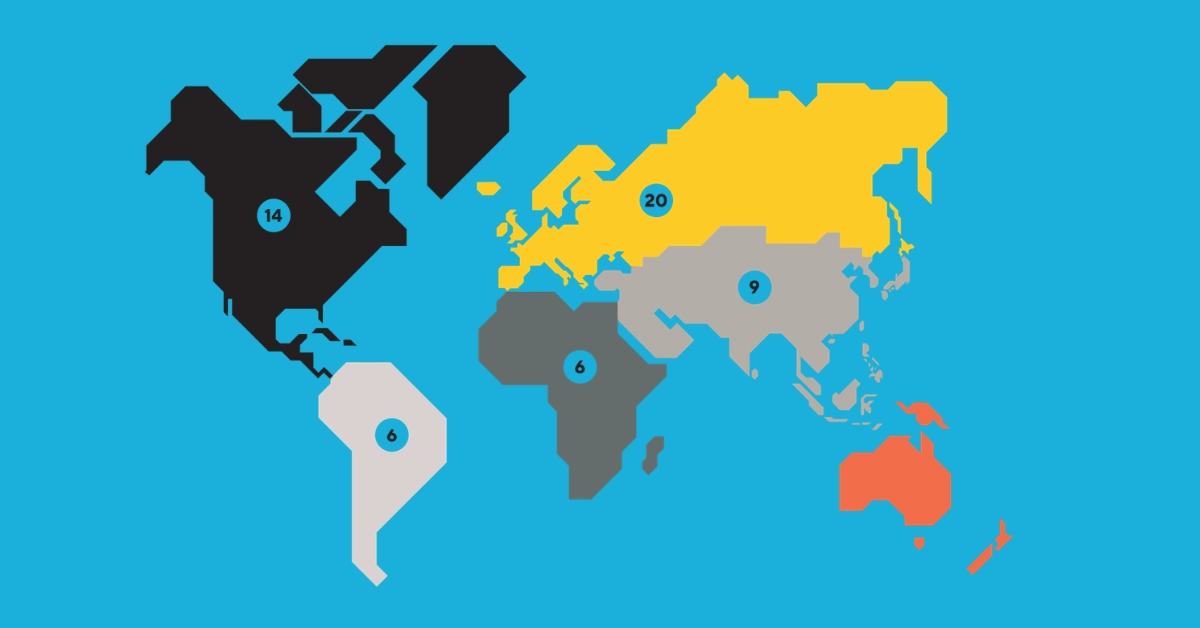
The International Betting Integrity Association (IBIA) reported 70 suspicious betting alerts across 10 sports during the first quarter of 2026. According to the association’s latest quarterly integrity report, football, tennis, and esports remained the primary drivers of integrity concerns, accounting for over 80% of all reported incidents. Geographically, Europe continued to represent the largest share of alerts at 28%, followed closely by North America (20%) and Asia (13%). The findings underscore an ongoing requirement for multi-jurisdictional cooperation between licensed operators and regulatory bodies to mitigate match-fixing and fraud within the global betting ecosystem.
Strategic Implications for Global Integrity and Market Oversight
The Q1 2026 data indicates a stabilising but persistent threat landscape for regulated operators, with specific implications for risk management and regional compliance strategies:
- Operational Costs of Monitoring: Increased alert volume in emerging verticals like esports suggests operators must allocate higher capital to specialized data-led monitoring tools to meet licensing requirements.
- Regional Risk Calibration: The high concentration of alerts in Europe and North America will likely lead to stricter reporting mandates from national regulators to protect market maturity.
- Integrity as a Barrier to Entry: As jurisdictions like Brazil tighten their regulatory frameworks, the ability to demonstrate membership in recognised integrity bodies is becoming a de facto requirement for licence acquisition.
- Secondary Market Pressure: Heightened scrutiny on tennis and football may lead to the suspension of lower-tier betting markets if suspicious patterns continue to correlate with specific regional leagues.
Sector Breakdown: Football, Tennis, and the Rise of Esports
Football led the quarterly figures with 25 reported alerts, while tennis followed with 16. Notably, esports has solidified its position as a high-risk category, recording 15 alerts in Q1. The IBIA noted that the diversification of alerts across 10 different sports highlights the expanding reach of potential integrity breaches beyond traditional high-volume markets.
The report also emphasised the evolving situation in Europe, where the domestic market remains under high scrutiny. For instance, the Dutch regulator restricts sports betting to mitigate risks associated with specific event types, reflecting a broader European trend toward granular market intervention. This regulatory posture aligns with IBIA’s stance that “data-led monitoring and cross-sector collaboration are not optional; they are essential to safeguarding sport and maintaining consumer trust”.
Regional Focus: Brazil’s Regulatory Trajectory
A significant portion of the Q1 report was dedicated to the burgeoning Brazilian market. IBIA data revealed that 68 suspicious betting alerts were recorded in Brazil between 2021 and 2025. With the Brazilian online sports betting market forecast to reach BRL 28.8bn (USD 5.7bn) by 2030, the association argues that the transition to a fully regulated environment is the most effective tool against corruption.
IBIA forecasts suggest that onshore licensed operators in Brazil will eventually account for more than 80% of Gross Gaming Revenue (GGR). This shift toward channelisation is viewed by the association as a critical component of integrity, as licensed entities are mandated to report suspicious activity, whereas unlicensed operators remain outside the visibility of global integrity networks.
Technical Safeguards and Regulatory Alignment
The IBIA’s monitoring platform, which tracks over $300bn in annual betting turnover, remains the primary defence mechanism for its members. Data generated by this proprietary network frequently serves as the evidentiary basis for formal investigations conducted by sports governing bodies and international law enforcement agencies.
This oversight capability is increasingly influencing policy shifts across the Atlantic, where North American regulators are moving to standardise integrity requirements across state lines. For executives, the second-order effect of this trend is a narrowing gap between global compliance standards. As jurisdictions align their reporting mandates with IBIA’s technical framework, operators face a growing requirement for a unified, cross-border approach to integrity data management to maintain multijurisdictional licensure.