





The Swedish Gambling Authority, Spelinspektionen, has reported a continued decline in suspected match-fixing cases in the last few years, highlighting a shift in integrity indicators across regulated betting markets in the country. The statistics for 2025 show that the regulator received fewer alerts from integrity organisations compared to the last two years. While the results are encouraging, officials warned that fewer reports do not confirm that the numbers have not been tampered with.
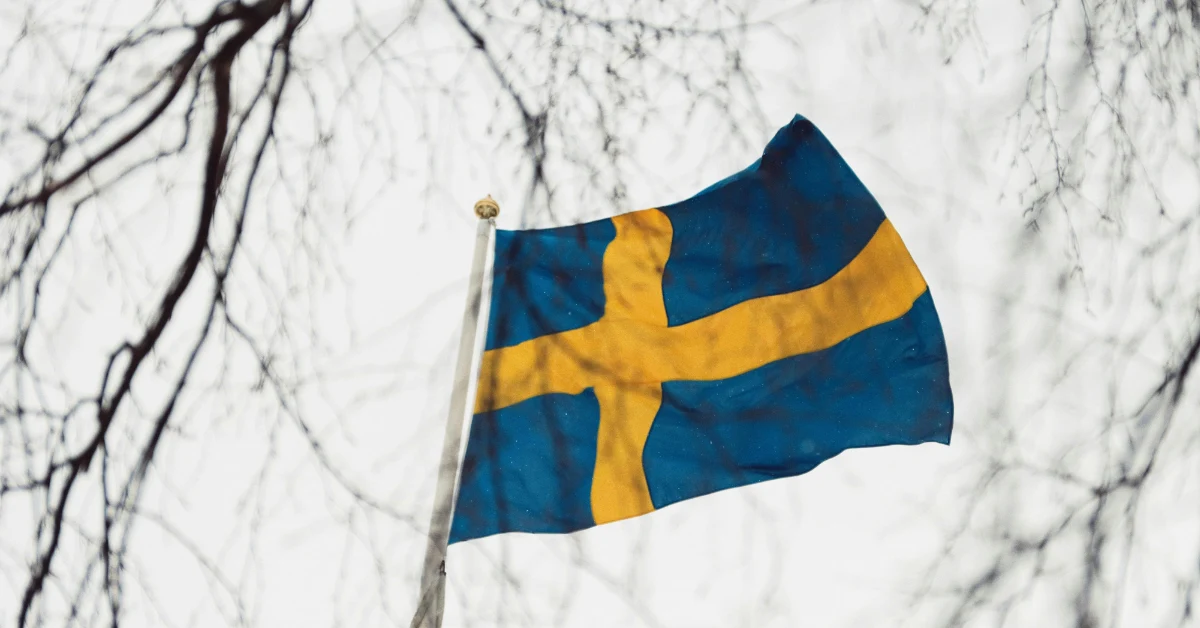
Swedish Gambling Regulator Reveals Fewer Match-Fixing Alerts in 2025: Key Insights
- According to the Swedish Gambling Authority, suspected match-fixing cases dropped significantly in 2025. The regulator received just two reports from integrity organisations, down from five in 2024 and twelve in 2023.
- Lawmakers introduced new rules in mid-2024, requiring licensed operators to report suspected match-fixing as soon as possible. In 2025, the regulator received four reports from licensees, including one that overlapped with a case already flagged by an integrity body.
- While the Swedish Gambling Authority welcomed the decline, it cautioned that match-fixing methods can be sophisticated and not all manipulation attempts are guaranteed to be detected.
Suspected Match-fixing Reports Reach New Low in 2025
In a press release published on Thursday, January 15, the Swedish Gambling Authority revealed that it had received only two reports of suspected match-fixing in 2025 from integrity organisations it cooperates with. The two primary organisations include the International Betting Integrity Association (IBIA) and the United Lotteries for Integrity in Sports (ULIS).
This marks a significant decrease from five reports in 2024 and 12 in 2023, continuing a downward trend that has spanned over two years. Regulatory changes introduced in mid-2024 placed the onus on licensed gambling operators to report suspected cases of match-fixing as soon as possible. This added a new level of scrutiny to the legal oversight process.
Since then, licensees have been required to notify the gambling watchdog of any suspicious activity as soon as it’s flagged. This measure proved effective in 2025. Four reports were submitted directly by licensees, although one overlapped with a case already reported by an integrity organisation.
The Swedish government has taken proactive measures in the past few years to crack down on illegal gambling operators. The watchdog blocked three unlicensed gambling sites in May, followed by penalising a charity for marketing violations. In June, the government introduced new rules to plug the holes in the existing gambling credit ban.
Officials claim that the reporting duty for operators is still relatively new. The regulator also lacks comparable data from earlier years to chart real-world progress. As a result, assessing long-term trends based on operator reporting alone has not yet been possible. Nonetheless, the additional reporting channel has enhanced the regulator’s overall oversight mechanism.
Regulator Inspects Betting Licensees, Monitors Major Sporting Events
In 2025, the Swedish Gambling Authority inspected licensed betting operators and reviewed internal processes used for detecting and preventing match-fixing. Officials evaluated the monitoring systems, escalation protocols, and policies on cooperation with integrity organisations.
The gambling regulator explained that the reviews aimed to verify whether operators can identify unusual betting patterns and report concerns effectively. It also confirmed working alongside other agencies and industry stakeholders to monitor the Women’s European Football Championship, which happened in Switzerland in July 2025.
The gambling watchdog focused on risk assessments, betting pattern analysis, and preventive measures aimed at identifying manipulation attempts before they could affect sporting outcomes. It reported that no match-fixing incidents were identified in connection with the tournament.
The Swedish government has instructed the Gambling Authority to strengthen its supervisory tools further in 2026. Under its appropriation letter, the regulator has been tasked with developing a formal risk analysis model to help prioritise supervision and determine which operators and activities are inspected.
The regulator has previously argued that betting operators play a key role as an early warning system because of their access to real-time wagering data. The government’s latest directive aims to capitalise on this opportunity to bolster gambling oversight and enforcement.
The new measures will be implemented under the leadership of Erik Eldhagen, who was appointed the new State Secretary to the Ministry of Finance last December. Apart from strengthening consumer protection policies, the Swedish government aims to improve year-over-year (YoY) gambling tax revenue. The sector generated €638 million during Q2 2025. All eyes are now on how the market responds to the updated regulations.
Match-fixing Council Supports Cross-sector Cooperation
The Swedish Gambling Authority revealed that strategic coordination remains a central part of Sweden’s approach to tackling match-fixing risks. A dedicated council against match-fixing, led by the gambling regulator, aims to bring together the Police Authority, the Swedish Prosecution Authority, representatives of the Swedish Sports Confederation, and stakeholders from the gambling industry.
The council serves as a forum for information sharing, joint risk assessments, and alignment across regulators, law enforcement, and sports bodies. Despite the improved indicators, the Swedish Gambling Authority has warned that measuring success remains difficult.
The regulator explained that match-fixing methods continue to evolve and can be highly sophisticated, meaning not all manipulation attempts are guaranteed to be detected. Officials observed that the decline in reported cases should be treated with caution, as criminal tactics and enforcement visibility may change over time.
Samuel Wahlberg, the coordinator against match-fixing at the Swedish Gambling Authority, said:
The work against match-fixing has worked well during the year, and collaboration with crime prevention authorities, the sports movement and the gaming industry within the match-fixing council has gone well. We are positive about the downward trend, but the work continues to prevent and detect manipulations. Match-fixers’ methods can be advanced, and we cannot be sure that all manipulations will be detected.
The gambling watchdog noted that prevention, detection, and cross-sector cooperation will remain its top priorities in 2026 as betting markets and manipulation tactics become sophisticated. Authorities revealed that they will continue to rely on mandatory reporting, supervision, and event monitoring to strengthen Sweden’s defences against match-fixing in sport.