For many families in Kenya, the cost of diagnosis, treatment and travel can put essential childhood cancer care out of reach. International companies can help close this gap, but distance, limited awareness and concerns about accountability often prevent potential donors from taking action.
In Part Two of this interview, Concepter Muoti, Fundraising Manager at Gertrude’s Hospital Foundation, explains the barriers to international support, how donations help children throughout their treatment journey and the measures used to ensure every contribution reaches those who need it most.
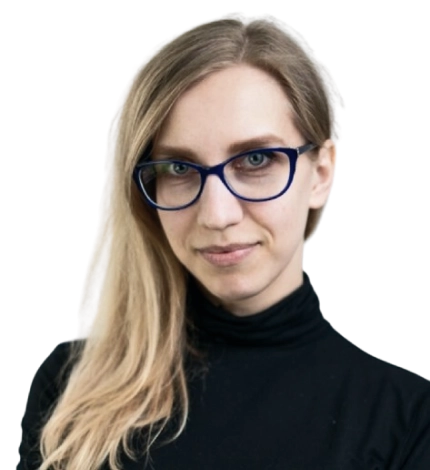 Magda Klimko-Aydin :
What are the main barriers preventing international companies from supporting paediatric healthcare initiatives in Kenya?
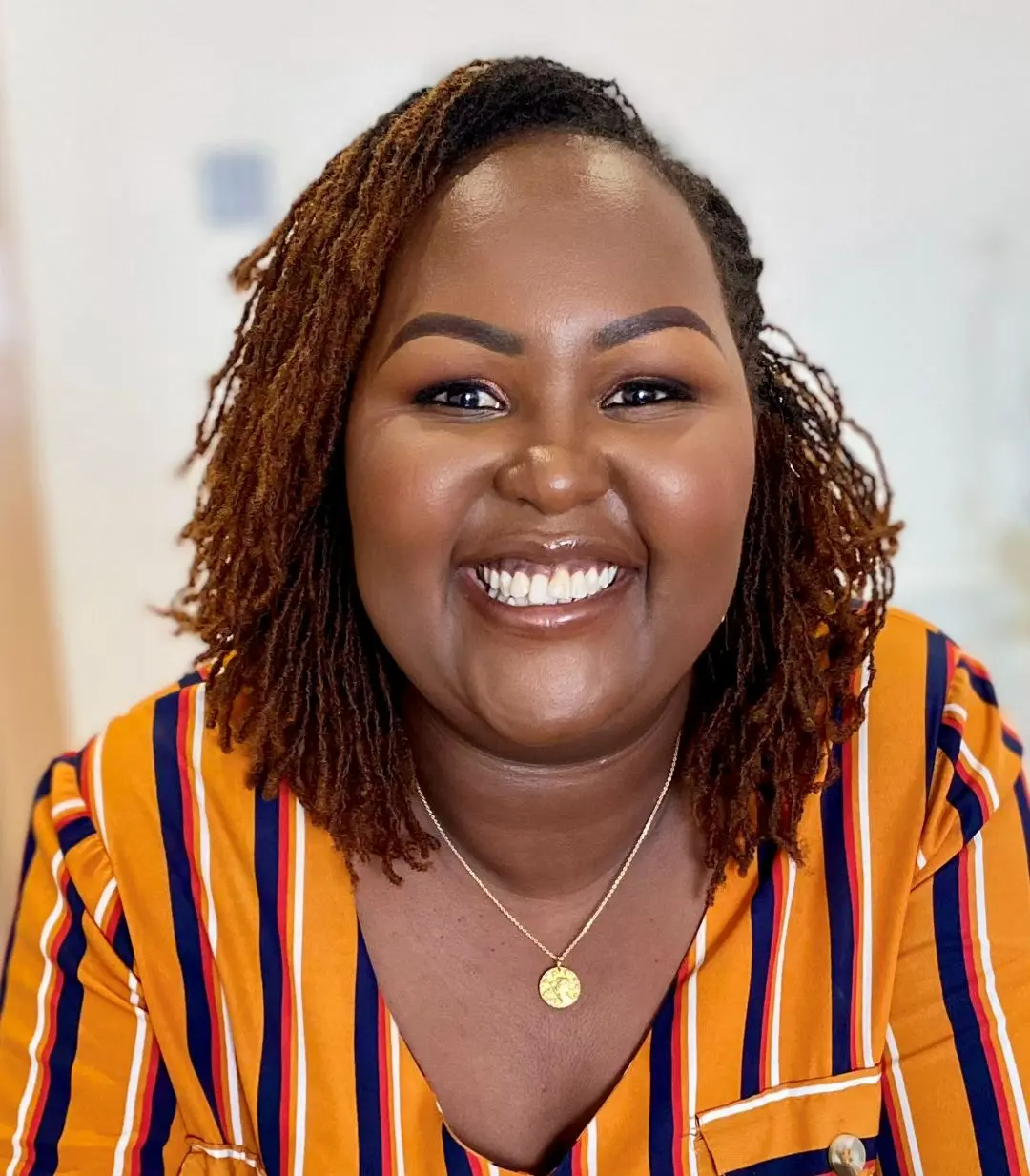 Concepter Muoti :
Often it isn’t reluctance — it’s distance and unfamiliarity. International companies want to know exactly where their money goes, and cross-border giving can feel opaque without a trusted local partner on the ground. Many also assume paediatric cancer care in Africa is a government-covered service, when in reality, families frequently pay out of pocket for diagnostics, treatment, and travel. There’s also a visibility gap: childhood cancer in Kenya rarely makes international headlines, so it competes poorly against more visible global causes for corporate CSR budgets. And practical barriers — currency risk, compliance checks, uncertainty about impact reporting — can make a company hesitate even when the will to help is genuinely there. Our job is to close that gap in trust and information.
Magda Klimko-Aydin :
What types of care and support can donor contributions help provide to children and their families?
Concepter Muoti :
Contributions fund the full journey, not just treatment. That includes diagnosis — imaging, lab tests, biopsies that catch cancer early, when it’s most treatable. It funds chemotherapy, surgery, and access to specialist care that children wouldn’t otherwise receive. Just as importantly, it supports what happens around treatment: psychosocial counselling for children and parents facing a frightening diagnosis, transport and accommodation for families who travel from rural counties, nutritional support during treatment, and training for nurses and clinicians so specialist care isn’t limited to one facility. Every shilling is really funding a family’s ability to stay by their child’s side through treatment — without being pushed into poverty to do it.
Magda Klimko-Aydin :
How does the Foundation ensure that every donation reaches the children and families who need it most?
Concepter Muoti :
We work hand-in-hand with Gertrude’s clinical and community health promoters, who identify families based on medical need and financial hardship — not who ask loudest or first. Every case is tracked individually through our Kenya Childhood Cancer Program, so funds are allocated to specific children’s treatment plans rather than pooled without oversight. We publish impact reports for our partners and sponsors showing funds raised against outcomes achieved, and our finances are independently audited annually. Donors sponsoring a specific initiative — like this partnership — receive a direct account of what their contribution funded. Accountability isn’t an afterthought for us; it’s what lets us ask companies to trust us with their support in the first place.
Supporting a child with cancer involves much more than paying for medical treatment. Diagnosis, specialist care, transport, accommodation, nutrition and psychosocial support can all determine whether a family is able to continue its child’s treatment.
Through its partnership with 1spin4win, Gertrude’s Hospital Foundation is giving the global iGaming community a transparent way to help provide that support. Companies interested in contributing can learn more on the United for Impact page.
We would like to thank Concepter Muoti for explaining the challenges facing children and their families and how transparent donor support can make a meaningful difference.
Read Part One of the interview to learn why 1spin4win launched United for Impact and how organisations can join the campaign.



