




Brussels is pushing forward with a proposal for a pan-European gambling tax aimed at harmonising online gaming and betting taxation across EU member states. This initiative, supported by European Commission advisers and national delegations, seeks to address the challenges posed by the varying tax regimes currently in place. With a single tax framework, the proposal aims to prevent regulatory arbitrage and ensure a more equitable market for gambling operators across borders.
However, critics argue that such a harmonised tax approach could lead to increased complexity for operators, particularly regarding compliance with both local and EU-wide regulations. There are also concerns about the potential loss of national sovereignty over tax policy, which could affect countries’ ability to set their own tax rates and frameworks for the gambling industry.
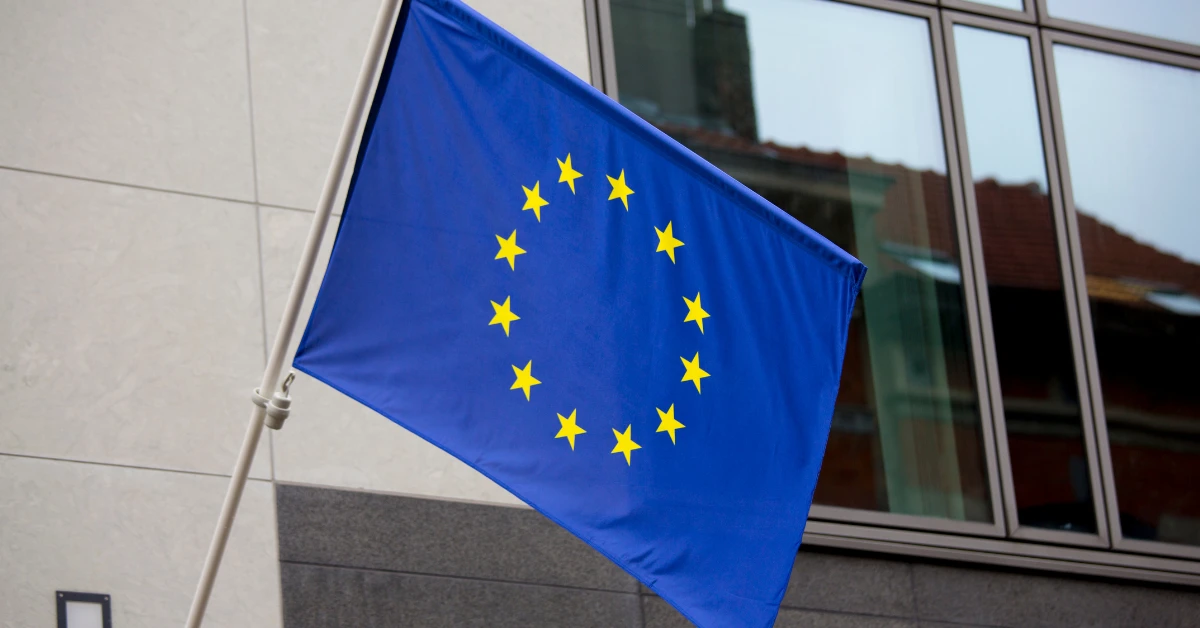
Why a Pan‑European Tax Is Being Considered
The proposal for a unified gambling tax stems from broader efforts to create a more coherent internal market for digital services, including online gambling and betting. With players able to access licensed services in one member state from another, discrepancies in tax regimes can lead to uneven competitive conditions and perceived market distortion.
Currently, EU member states employ a wide range of tax models from turnover‑based levies to profit‑based taxation, which complicates cross‑border compliance and enforcement. A harmonised tax regime could streamline regulatory oversight and reduce incentives for operators to shift revenues to more favourable jurisdictions.
Supporters also see potential for the tax to contribute to public revenues, especially as online gaming continues to expand. By standardising tax obligations across borders, member states could secure a more predictable revenue stream while reinforcing regulatory cooperation.
Victor Negrescu: EU Gambling Tax as a Revenue Solution
Victor Negrescu, Vice President of the European Parliament, has strongly advocated for an EU-wide levy on online gambling and betting as a mechanism to finance vital social programs, such as education, mental health, and skills development. He highlighted that while the digital gambling industry generates billions of euros, it remains largely untaxed at the EU level, despite benefiting from the Single Market.
In a tweet, Negrescu pointed out that a coordinated EU approach to gambling taxation could raise between €2–4 billion annually, potentially reaching €28 billion per Multiannual Financial Framework (MFF). He also emphasised that tackling illegal gambling activities would remain a key priority. “Time for new & fair own resources,” he said, highlighting the need for an equitable and effective system of EU taxation.
Regulation and Enforcement Synergies
A harmonised tax regime could dovetail with ongoing efforts to bolster regulatory cooperation among European gambling authorities. Shared tax standards may encourage better coordination in licensing, monitoring, and enforcement, especially in digital markets where players and operators cross national borders.
This mirrors other collaborative trends in the region, such as joint efforts by regulators to tackle illegal gambling through shared intelligence and coordinated enforcement actions.
Such synergies, between fiscal policy and regulatory oversight, are central to the EU’s evolving approach to governing online gambling in a digital, cross‑border economy.
National Initiatives and Broader EU Context
The pan-European tax discussion is unfolding alongside significant national reforms. For example, Denmark’s recent amendments to its gambling act were formally notified to the European Commission as part of its compliance with EU internal market rules, signalling how individual member states are aligning domestic regulation with broader EU standards.
These converging reforms reflect a trend toward greater interoperability of regulatory regimes, even as member states retain autonomy over core tax and governance structures.
What’s Next for the Gambling Tax Proposal?
The pan-European gambling tax remains at an early stage of discussion. Member state finance ministries, EU policymakers, and regulatory bodies are expected to engage in further consultations throughout 2026 and beyond.
If consensus can be achieved, a harmonised tax framework could be proposed formally through the European Parliament and Council, requiring negotiation on legal texts, impact assessments, and phased implementation timelines.
In the meantime, national jurisdictions will continue to refine domestic gaming tax regimes, while Europe watches whether a unified approach gains traction in one of the continent’s most dynamic digital sectors.