Ace Alliance Horizon & Speed Rome
Early Bird Passes Available! | November 2, 2026
Get Your Pass!
Table Of Content :

Bulgaria Moves Towards Near-Total Gambling Advertising Ban

trust
Ace Alliance: Delivering Trust Through Expertise
From exclusive events and interviews to real-time market trends, Ace Alliance brings you unbiased, well-informed, and data-driven content. Our editorial team adheres to strict editorial standards, ensuring that the information you receive is not only relevant but also trustworthy.

Built by market experts hosting events since 2023, with our first event in Riga, Latvia gathering over 300 top level iGaming industry executives, Ace Alliance is able to provide you with reliable information from direct interaction with experts and leaders in the sector.
Altay
Altay Celikkaya
Content Manager
Updated:
Reading Time: 3 minutes

Bulgaria has opened a public consultation on changes to its Gambling Act that would place advertising, taxation and operational reporting under a stricter framework. The proposal is not yet law, but signals a change for licensed operators, affiliates and sports organisations.

According to the Bulgarian government’s official announcement, the objective is to improve transparency and reduce gambling-related harm. The government describes the advertising component as an effective full ban, with a narrow exception for support provided to sport.

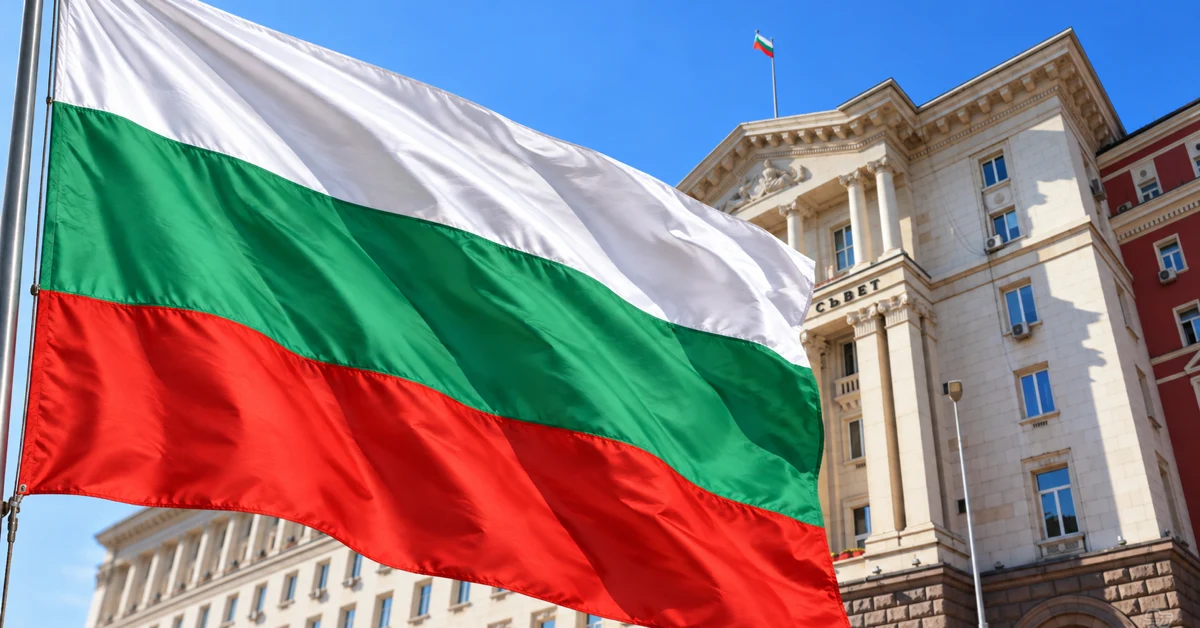
Bulgarian flag waving in front of the Council of Ministers building in Sofia

Regulation & Compliance

Key Takeaways for Bulgaria’s Gambling Market

  • Bulgaria has opened consultation on amendments introducing a stricter gambling control model.

  • The proposal would establish a near-total prohibition on gambling advertising.

  • Advertising on sports kits and at sports facilities would remain permitted as the exception.

  • Bright illuminated signs and promotional displays on casino and gaming hall windows would be prohibited.

  • Gaming equipment would connect to the National Revenue Agency in real time.

  • Online gambling charges would increase, while foreign operators earning Bulgarian revenue would face local registration and tax obligations.

Advertising Reform Leaves a Narrow Sports Exception

The proposal would remove gambling promotion from everyday public life. In a translated excerpt, Prime Minister Rumen Radev said:

In practice, we are introducing a full ban on gambling advertising.

For operators, the main question concerns the boundary between prohibited promotion and permitted sports support. Advertising displayed on kits and within sports facilities is expected to remain possible, but the announcement does not yet provide detailed conditions that would govern formats, placement, audience exposure or contractual arrangements.

That uncertainty matters to rights holders, clubs, agencies and betting brands negotiating multi-season sponsorship agreements. Existing contracts may require review clauses covering regulatory change, inventory substitution and the removal of creative assets. Businesses should avoid treating the sports exception as unlimited until the draft provisions and enforcement guidance have been examined.

The proposal also targets physical visibility. Bright illuminated advertising and signs displayed on the windows of casinos and gaming halls would be banned, extending the reform beyond broadcast and digital channels into retail presentation.

Affiliates Face a Rapidly Changing Compliance Perimeter

The consultation follows the implementation of Bulgaria’s new affiliate licensing regime, which brought performance-based gambling promotion under the supervision of the National Revenue Agency in August 2026.

This combination could materially reshape customer acquisition. A licensed affiliate may still satisfy its registration, disclosure and fee obligations while finding that particular promotional activity is restricted under the new advertising rules. Operators will therefore need to assess licensing status and advertising permissibility separately.

Affiliate agreements should allocate responsibility for content approval, channel disclosure, geolocation and rapid campaign suspension. Marketing teams may also need an inventory of websites, social accounts, streaming channels, creators and paid-media relationships connected with Bulgarian traffic.

The direction is consistent with broader scrutiny of third-party gambling promotion. Google’s forthcoming restrictions on gambling affiliate advertising in Croatia demonstrate how platform policies can narrow acquisition options alongside national regulation. The proposed online gambling advertising ban in the Philippines similarly places affiliates, influencers and technology platforms within the regulatory discussion.

Taxation and Real-Time Reporting Add Operational Pressure

Advertising is only one part of the Bulgarian package. The government also proposes changing how casinos and gaming halls are taxed so that liabilities reflect their actual financial results. Charges applied to online gambling would rise significantly, with mechanisms intended to direct part of the resulting revenue towards sport and education.

All gaming equipment would also be connected to National Revenue Agency systems in real time. This would give the authority greater visibility over transactions and increase the importance of accurate integrations, stable reporting infrastructure and reconciled financial records.

Foreign licensed operators generating revenue in Bulgaria would be required to register their financial activity locally, pay Bulgarian taxes and become subject to domestic controls. The package also promises stronger measures against money laundering and tax evasion.

What B2B Stakeholders Should Do Next

The consultation marks the beginning of the legislative process rather than the introduction of an enforceable ban. Operators and suppliers should monitor publication of the full draft, consultation deadline, transitional provisions and any later parliamentary amendments.

Commercial teams should map current advertising exposure, identify contracts dependent on Bulgarian media or sports inventory and model the effect of higher online charges. Compliance and technology teams should assess whether reporting systems can support real-time connectivity and whether foreign corporate structures meet potential local registration requirements.

The final rules may evolve during consultation. Nevertheless, the government’s announcement gives the industry a clear warning that Bulgaria intends to combine tighter advertising controls with deeper fiscal and operational oversight.