




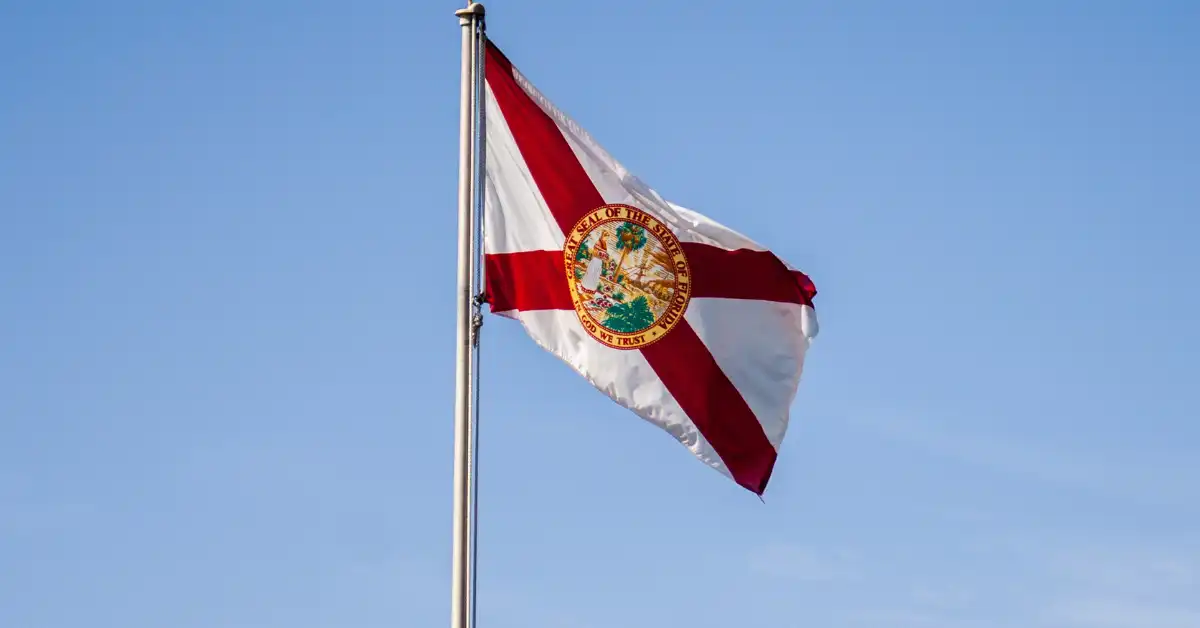
In a significant move to combat rising concerns over gambling addiction, the Florida Gaming Control Commission (FGCC) has officially designated March 2026 as Problem Gambling Awareness Month. The announcement encourages Florida residents to access vital resources such as confidential support services and screening tools aimed at addressing the complex issues related to compulsive gambling and its harmful effects. This initiative forms part of a broader national effort to raise awareness about gambling‑related risks, increase public education, and promote preventive and treatment services. As the state amplifies its focus on these issues, it highlights the importance of community awareness in tackling gambling problems before they escalate.
New Focus on Early Detection and Accessible Support Services for Problem Gamblers
Problem Gambling Awareness Month, observed nationwide, aims to boost visibility around gambling‑related harms, early intervention, and available support mechanisms. Florida’s campaign, amplified by the FGCC, places particular emphasis on accessible counselling and screening resources for individuals and families affected by gambling behaviour that becomes harmful.
- State‑funded 24/7 support services: Florida funds Playwise, a bilingual, confidential counselling and referral service offering round‑the‑clock support via its toll‑free helpline at 833‑PLAYWISE (833‑752‑9947) and through its website.
- National screening initiative: March 10 is designated Gambling Disorder Screening Day, encouraging Floridians concerned about their gambling or that of loved ones to complete screening assessments and take early action.
- Behavioural indicators highlighted: The FGCC stresses common warning signs of problematic gambling, including chasing losses, hiding behaviours, increased time or money spent gambling, and distress when not gambling.
Florida’s Regulatory Body Prioritizes Early Intervention and Behavioural Awareness
Problem gambling can affect individuals of all backgrounds, often extending beyond financial loss to contribute to emotional distress, strained relationships, and employment challenges. The FGCC’s messaging underscores prevention and early intervention as critical components of a comprehensive public health approach.
In the official press release, FGCC Executive Director Alana Zimmer said,
We must let people know that resources are available to help them when facing this issue. When individuals understand the warning signs of problem gambling and know where to find vital assistance, we help build a healthier and stronger Florida.
The FGCC also outlines behavioural signals that may indicate problem gambling, such as gambling more time or money than intended, borrowing funds to gamble, or concealing gambling behaviour from friends and family.
Balancing Strict Enforcement with Public Health Support for Florida’s Gambling Community
Beyond awareness activities, the FGCC highlighted its broader regulatory mandate to preserve and protect gaming integrity across the state through licensing, oversight, enforcement action, and consumer education. This dual strategy, pairing enforcement with public support, reflects a growing recognition of the need to balance regulatory rigour with accessible help for vulnerable individuals.
In recent years, the FGCC has taken multiple actions against unlicensed gaming operations and illegal machines, reflecting its enforcement priorities alongside public health initiatives.
Growing Demand for Responsible Gambling Services as the Industry Evolves
The FGCC’s March 2026 campaign comes amid increasing demand for problem gambling support, a trend that intersects with broader industry and regulatory concerns about responsible gaming frameworks and consumer protections across both land‑based and online betting environments. Experts in other jurisdictions have also underscored the urgency of awareness campaigns to accompany expanded sports betting access and mobile wagering growth.
Problem Gambling Awareness Month’s timing, encompassing major sporting events such as March Madness, underscores the importance of proactive communication and support services during periods of heightened wagering activity.
Uniting Communities and Operators in the Fight Against Gambling Addiction
The campaign encourages communities, healthcare providers, gaming operators, and civic bodies to amplify awareness efforts throughout March. These collaborative activities include proclamations, outreach campaigns, and targeted messaging aimed at reducing stigma and encouraging early help‑seeking.
Florida’s approach aligns with national Problem Gambling Awareness Month themes such as “Caring Communities, Stronger Futures”, which prioritise collective support, education, and connection in tackling gambling‑related harm.
Rising Age Limits and Expanded Gambling Regulations Push for Greater Consumer Protection
Florida’s awareness campaign reflects a wider shift among U.S. state regulators toward harm‑focused gambling policy frameworks, encompassing not only support services but also preventive access controls.
Recent policy proposals in other jurisdictions underscore this trend. For example, Connecticut legislators have advanced proposals to raise the minimum age for participation in prediction markets and certain forms of gambling to 21, a measure aimed at reducing youth exposure to wagering activities and associated harms.
While Florida’s Problem Gambling Awareness Month emphasises support and education rather than statutory age changes, the juxtaposition highlights how states are combining behavioural awareness efforts with regulatory strategies to protect vulnerable populations and strengthen responsible gaming practices.