




A peer-reviewed academic paper has cautioned that Nordic regulators lack reliable tools to measure the scale of the online gambling black market. The study raises concerns about how data is used in policy debates. Researchers found that current estimates rely on patchy evidence, opaque sources and inconsistent methods, making it difficult to form a clear picture of unregulated activity. The study concludes that without stronger cooperation and transparent measurement tools, regulators risk making decisions based on incomplete or speculative figures.
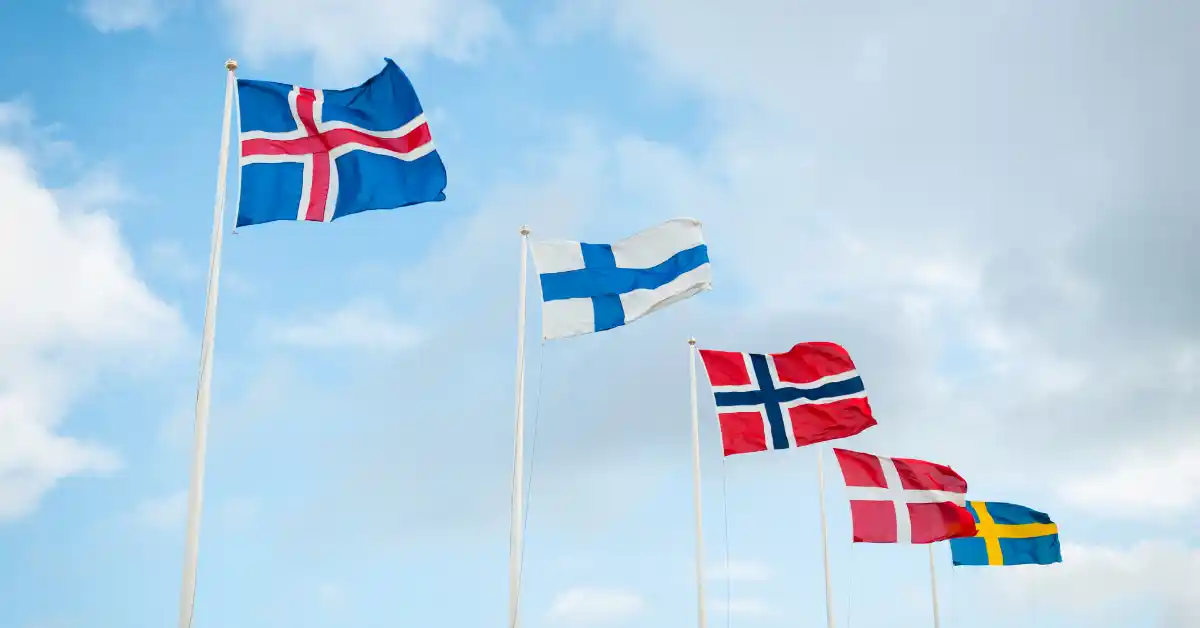
Research Claims Nordic Gambling Regulators in the Dark Regarding Unregulated Market Statistics: Quick Overview
- Analysts found that current estimates of the Nordic online gambling black market rely on patchy data and inconsistent methods. They warn that there is no reliable standard for measuring offshore gambling activities.
- The study concludes that unregulated gambling figures are often used as political tools despite unclear methodologies and opaque data sources. Analysts caution that regulators may base major decisions on incomplete or speculative evidence.
- Researchers recommend using transparent, scientifically validated tools that combine surveys, transaction data and help-seeking statistics. They argue that reliable data is necessary for supporting more effective regulation.
Independent Study Finds Unregulated iGaming Statistics Inconclusive
A recent review published in the peer-reviewed journal PLOS One found that inconsistent data and weak methodology undermine attempts to measure offshore online gambling in Nordic countries. Researchers from Finland, Denmark, Sweden and Norway reviewed 32 studies conducted between 2010 and 2024, concluding that there is “no gold standard or one reliable method to measure offshore gambling”.
The authors, Virve Marionneau from the University of Helsinki, Søren Kristiansen from Aalborg University, Tomi Roukka from the Finnish Institute for Health and Welfare and Håkan Wall from the Karolinska Institute, describe offshore gambling as “a politically sensitive topic wrought with uncertainties”.
Estimates of unlicensed online gambling in the Nordic countries vary widely and are often based on non-transparent data sources. Led by researchers from Karolinska Institutet and other institutes, the study revealed that figures describing the gambling black market are frequently used as political arguments, despite unclear underlying methodologies.
The online gambling framework in Nordic nations is swiftly evolving. Countries like Norway have a flourishing online gambling sector, while others like Finland are getting ready to launch a competitive remote gaming market in 2027.
Opaque and Unverified Estimates Used as Political Tools
The report states that unverified offshore gambling figures are often used strategically as political tools. Meanwhile, the gambling industry has attempted to control the narrative over channelling rates within the Nordic countries.
It further notes that most estimates produced by governments, regulators or industry bodies tend to draw heavily from the provider H2 Gambling Capital. Academics argue that the provider’s methods lack transparency, concluding that regulators are often unaware of the source’s credibility.
An excerpt from the report reads:
Even regulators are not fully aware of the metrics and assumptions on which these estimates are made. Methodological choices, data resources that have been used, and political interests can affect the kinds of estimates that are produced.
Nordic gambling operators often highlight declining revenue as an argument against stricter regulation, even though the evidence may be methodologically weak. Despite unlicensed online gambling often being portrayed as a growing problem, researchers show that current methods used to estimate the size of this market are unreliable.
Håkan Wall, researcher at the Department of Clinical Neuroscience and the Centre for Psychiatry Research, Karolinska Institutet and Region Stockholm, and one of the study’s authors, conclude that until better methodology is developed, regulators risk making major policy decisions based on incomplete, outdated, or entirely speculative data.
Wall stated:
Despite the political importance of channelling, it is surprisingly unclear how and if we can measure developments in the unregulated market. Current estimates are too uncertain to be used as a basis for political decision-making. If we do not know how the figures are produced, they can be misused to influence policy, even though they rest on weak foundations.
Researchers Call for More Reliable Statistics
One Swedish study claimed that users of unlicensed gambling sites spend 10–20 times more than those on regulated platforms. However, researchers found that this figure had “no empirical basis nor conclusive descriptions” of how it was reached. They argue that questionable figures can distort perceptions of the black market and exaggerate its threat.
The review recommends that regulators adopt “transparent and scientifically validated” measurement tools to strengthen their evidence bases. A multi-method approach combining surveys, transaction data and real-world statistics should be the gold standard.
Researchers argue that Nordic countries need to strengthen regulations against unlicensed gambling. They must allocate more resources to reduce gambling harm. The study concludes that more transparent and reliable measurement methods are required to support effective regulation and strengthen consumer protection standards across the region.