




As preparations continue for the 2026 FIFA World Cup, a new study suggests Peru could become one of the most active markets for online sports betting during the tournament. A report by payments company Paysafe discovered that 85% of Peruvian football fans intend to bet online, the highest figure among all markets surveyed. The research also highlights payment speed and trusted brands as leading factors in how bettors choose online sportsbooks.
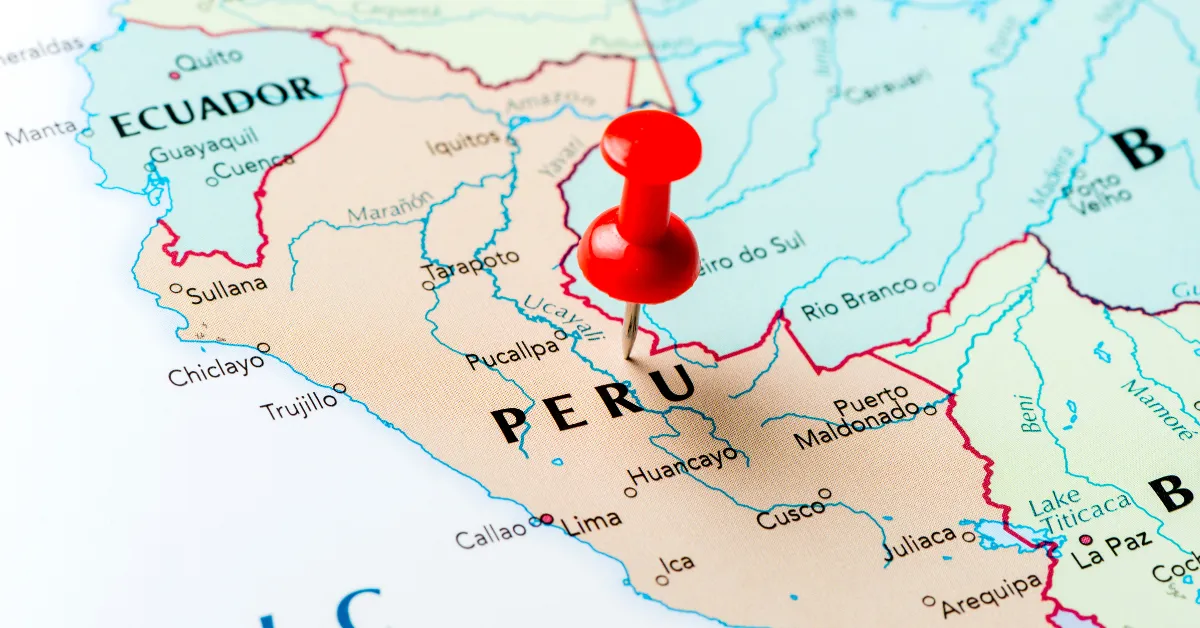
85% of World Cup Fans in Peru Plan to Bet Online: Story at a Glance
- Paysafe’s All the Ways Players Pay: World Cup 2026 research found that 60% of global football fans plan to bet online during the tournament. Peru leads the charts, with 85% of fans intending to wager online.
- The research surveyed 3,850 adults across regulated markets in North America, Europe, and Latin America. Betting intent was also strong in Mexico at 68%, followed by Brazil at 66% and the US at 62%.
- The report highlights payment systems, brand trust and fast payouts as the primary drivers behind sportsbook choices. It also notes rising demand for digital wallets and local payment methods.
Paysafe Research Covers North America, Europe, and Latin America
According to Paysafe’s report, All the Ways Players Pay: World Cup 2026, overall interest in online wagering is rising as the World Cup approaches. The study found that 60% of football fans worldwide intend to bet on the tournament, reflecting growing engagement with regulated betting platforms and digital payment services.
Paysafe’s findings position Peru ahead of more established markets, including Brazil, Italy, and the United Kingdom. Peru recorded the highest betting intention at 85%, ahead of Brazil at 66% and Italy at 64%. The report links this trend to the rapid growth in digital payments in newer regulated markets.
It also highlights the expansion of digital wallets in Peru, including PagoEfectivo, as part of that shift. Reputable technology and B2B market research firm Sapio Research conducted the study on behalf of Paysafe. The team surveyed 3,850 adults of legal age who had an interest in following the 2026 World Cup.
The sample included respondents from several regulated jurisdictions, such as the United States, Mexico, Canada (Ontario), Brazil, Bulgaria, Ecuador, France, Germany, Italy, Peru, and Spain. In the United States, the study focused on the states of Florida, Kansas, Massachusetts, New Jersey, New York, and Pennsylvania, where online sports betting is legal.
With the World Cup returning to North America for the first time since 1994, the report found strong online betting interest in host markets. In U.S. states where sports betting is legal; 62% intend to wager, with 29% planning to place their first online bet. Mexico showed even higher intent, with 68% planning to bet, including 26% for the first time, while 46% of Ontarians expect to wager, including 9% first-timers.
The Mexican government is updating its gambling regulations ahead of the World Cup to streamline and regulate the sector in preparation for heightened activity. Beyond overall wagering intent, the report says payments are becoming central to sportsbook selection and player retention.
Local Payments and Brand Reputation Shape Sportsbook Choice, Study Finds
When choosing a licensed sportsbook for the World Cup, 38% of bettors said brand reputation matters most, while 33% prioritised fast payouts. Both ranked ahead of factors such as odds, promotions, user experience, and the betting market range. In some markets, payout speed outweighs reputation.
The report states that in Peru, bettors consider cashing out quickly more important than a sportsbook’s brand trust. Paysafe also reported that 88% of global bettors would switch sportsbooks after a bad payment experience, with U.S. and Ecuadorian bettors showing the highest sensitivity at 93%.
The study indicates that payment preferences are shifting as more bettors adopt alternatives to traditional digital payment methods. Debit cards remain the top global preference at 39%. At the same time, 27% of players prefer pay-by-bank or bank transfer options and 25% favour digital wallets.
Local payment methods are also gaining importance, with 19% of bettors preferring market-specific options. This is particularly strong in Brazil, where the Pix instant payment system is preferred by 48% of players. In Peru, digital wallets are growing increasingly popular, with wallets ranked as the top payment choice by 36% of bettors.
Zak Cutler, President of Global Gaming at Paysafe, observed that the 2026 World Cup will be the biggest tournament to date for online sportsbooks. Apart from consumers from established betting markets and first-time punters from emerging markets in North and Latin America will also participate in online wagering.
Cutler commented:
With the regulated online betting space encompassing new North and Latin American markets, the 2026 World Cup will be the biggest tournament to date for online sportsbooks, offering an unparalleled opportunity to win new customers and strengthen existing relationships.
He also explained that sportsbooks must streamline players’ experiences, process fast payouts and accept local payment systems to improve player acquisition and retention.
Cutlet continued:
Our latest research indicates that to optimise player acquisition and retention, operators need to enhance their cashiers, as payments will be of paramount importance for the tournament’s duration – and beyond.
Paysafe’s research suggests that the 2026 World Cup could drive online betting activity, with Peru emerging as a strong market. As digital wallets and local options expand across regulated markets, payment systems will play a significant role in sportsbook competition during the tournament.