

Ace Alliance Horizon & Speed Rome
Early Bird Passes Available! | November 2, 2026
Get Your Pass!
Table Of Content :

Sweden Brings Commercial Land-Based Gaming Under AML Requirements

trust
Ace Alliance: Delivering Trust Through Expertise
From exclusive events and interviews to real-time market trends, Ace Alliance brings you unbiased, well-informed, and data-driven content. Our editorial team adheres to strict editorial standards, ensuring that the information you receive is not only relevant but also trustworthy.

Built by market experts hosting events since 2023, with our first event in Riga, Latvia gathering over 300 top level iGaming industry executives, Ace Alliance is able to provide you with reliable information from direct interaction with experts and leaders in the sector.
Altay
Altay Celikkaya
Content Manager
Updated:
Reading Time: 3 minutes

Sweden has removed the anti-money laundering exemption previously available to commercial land-based casino gaming. From 1 September 2026, affected licensees must apply the country’s AML and counter-terrorist financing framework to their operations. Spelinspektionen said an updated assessment found that the money laundering risk in this segment could no longer be classified as low.

The change is targeted rather than market-wide. It applies to commercial land-based casino gaming licensed under Chapter 9 of Sweden’s Gambling Act, including eligible roulette, card and dice games in restaurants and gaming halls where licensed. It does not create a new AML regime for every Swedish gambling operator.
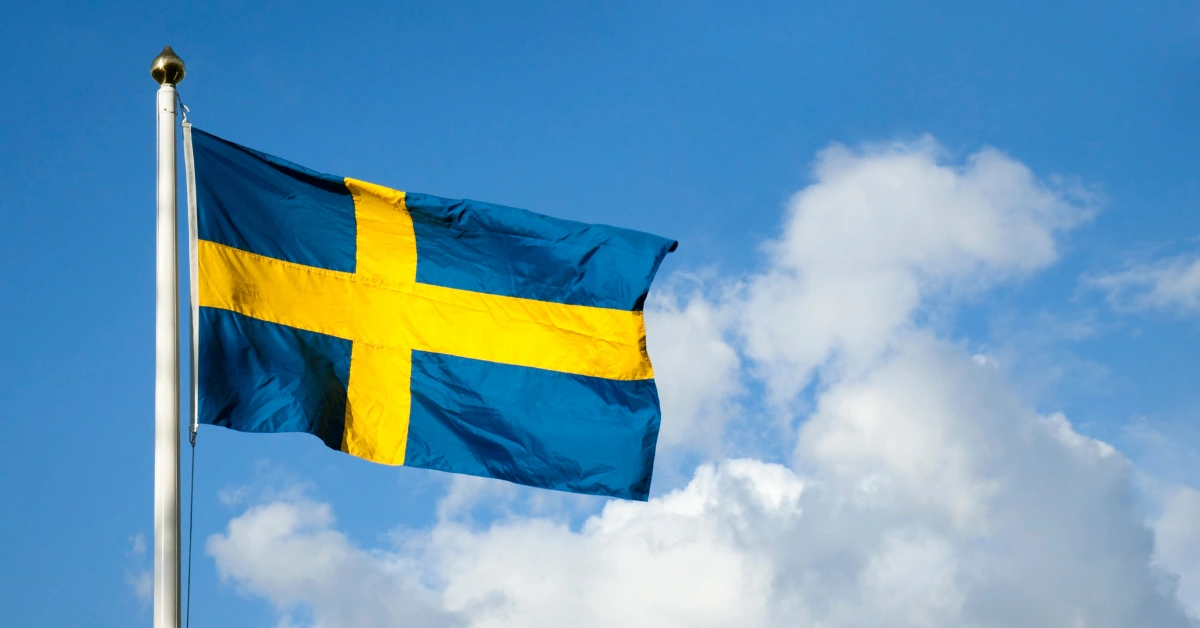
Swedish flag flying against a blue sky as new AML rules take effect for commercial land based gaming

Regulation & Compliance

Key Takeaways for Land-Based Operators

  • Affected licensees must prepare and maintain a general assessment of their exposure to money laundering and terrorist financing.

  • Operators must obtain sufficient customer knowledge and assign risk levels based on the circumstances of each relationship or transaction.

  • Written procedures and internal guidelines must explain how identified risks are controlled and escalated in practice.

  • Relevant employees must receive training that enables them to recognise warning signs and follow the required processes.

  • Ongoing monitoring must detect activity that is inconsistent with a customer’s profile or the operator’s risk assessment.

Risk-Based Controls Move Into Daily Operations

The amendment is contained in SIFS 2026:2, which changes the scope of the existing SIFS 2019:2 rules. In its official regulatory update, Spelinspektionen told affected licensees to review their businesses and ensure that compliant measures were in place when the amendment took effect.

A risk-based approach requires more than a standard checklist. Operators must identify, analyse and evaluate how their venue, games, payment methods, customer behaviour and transaction patterns could be exploited. Controls should then be proportionate, with enhanced measures applied where the assessed risk is higher.

The assessment must also remain responsive to change. A control that is appropriate for one venue, customer profile or payment pattern may be inadequate for another. Management should establish a review cycle and document why safeguards were selected.

Sweden’s reassessment reflects a wider European pattern as regulators reconsider money laundering risks across gambling. The practical priority for management is to translate the assessment into responsibilities, escalation routes and documented decisions that staff can apply consistently.

Registration Exemption Does Not Remove Customer Checks

One important distinction remains. Commercial land-based casino licensees are still exempt from the routine player-registration requirement under the Gambling Act through Section 2 of SIFS 2022:2. That exemption should not be interpreted as permission to operate without identifying customers when AML obligations require it.

Spelinspektionen expressly notes that an operator may need to register or identify a customer through another process to meet statutory customer due-diligence requirements. Venues therefore need procedures that determine when identification is necessary, what information must be collected and how higher-risk cases are handled.

Frontline teams will be central to that distinction. Training should help staff recognise the events that trigger additional checks and know when a transaction or pattern must be referred to the compliance function.

For B2B suppliers and operational partners, the change may also require updates to training materials, monitoring workflows and compliance systems used at affected sites. Licensees remain accountable for ensuring that their arrangements produce sufficient customer knowledge and effective controls in practice.

Swedish Reform Connects With the EU AML Framework

The measure forms part of Sweden’s broader tightening of gambling regulation, alongside the expanded restriction on credit-funded gambling and engagement with European AML standards. These measures address different risks but increase the compliance workload facing licensed businesses.

Further change is already approaching at EU level. The Anti-Money Laundering Regulation is scheduled to apply from 10 July 2027, supported by AMLA technical standards and guidance. The authority is developing an EU-wide risk-based AML supervision framework covering gambling and other non-financial sectors.

Swedish land-based operators must therefore manage two timelines. Their domestic obligations are already in force, while EU-level standards will further shape risk classification, supervision and monitoring. Immediate compliance with SIFS 2026:2 should be designed so procedures can be updated as the European framework becomes more detailed.