Ace Alliance Horizon & Speed Rome
Early Bird Passes Available! | November 2, 2026
Get Your Pass!
Table Of Content :

Trinidad and Tobago Approves Remote Gambling Framework

trust
Ace Alliance: Delivering Trust Through Expertise
From exclusive events and interviews to real-time market trends, Ace Alliance brings you unbiased, well-informed, and data-driven content. Our editorial team adheres to strict editorial standards, ensuring that the information you receive is not only relevant but also trustworthy.

Built by market experts hosting events since 2023, with our first event in Riga, Latvia gathering over 300 top level iGaming industry executives, Ace Alliance is able to provide you with reliable information from direct interaction with experts and leaders in the sector.
Altay
Altay Celikkaya
Content Manager
Updated:
Reading Time: 3 minutes

Trinidad and Tobago has approved a new remote gambling framework, clearing the way for a broader regulated iGaming market. The Senate approved the Gambling (Gaming and Betting) (Remote Gambling) Order, 2026 on 2 October, two days after unanimous backing in the House of Representatives.

Attention now turns to the licensing, technical and payment infrastructure needed to support a wider rollout in 2027.

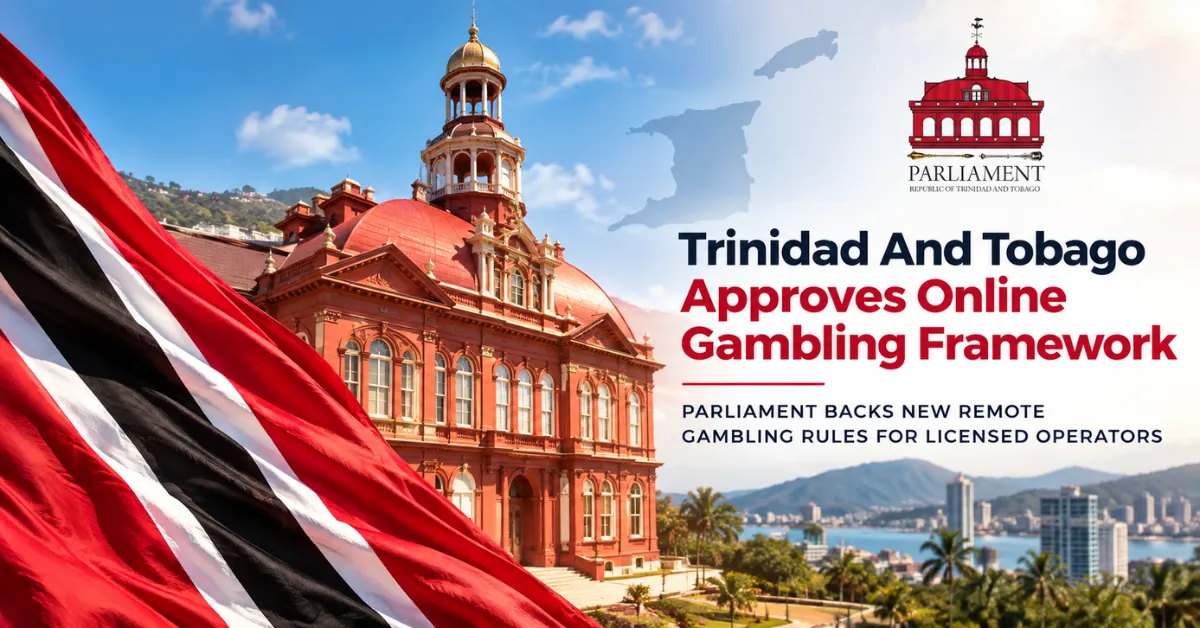
Trinidad and Tobago Parliament building and national flag illustrating the country’s approval of a new remote gambling framework for licensed online operators.

Regulation & Compliance

Key Takeaways From Trinidad and Tobago’s Remote Gambling Approval

  • The Senate approved the Remote Gambling Order on 2 October after the House backed the measure unanimously on 30 September.

  • Valid remote gambling licence holders will be able to operate under conditions established by the Gambling Control Commission.

  • The reform creates a regulated route for remote gambling activity that previously operated outside the new licensing framework.

  • Further licensing, payment and administrative arrangements will be needed before the market reaches full implementation.

  • The framework could create new opportunities for domestic businesses and international iGaming operators evaluating the Caribbean market.

Remote Gambling Order Clears Parliament

The official Remote Gambling Order approved by Trinidad and Tobago’s Parliament was made on 15 September under the Gambling (Gaming and Betting) Act 2021. Parliamentary approval was required before the new remote gambling provisions could move forward.

The House of Representatives backed the measure on 30 September with 33 votes in favour and no votes against or abstentions. The Senate completed the parliamentary approval process on 2 October, bringing the country closer to establishing a fully operational regulated online gambling environment.

The Order changes how remote gambling is treated under the existing framework and establishes a legal basis for authorised businesses to provide services subject to licence conditions and regulatory oversight.

Planning Minister Kennedy Swaratsingh said:

We intend to do this through proper regulation, rather than simply permitting unrestricted gambling activity.

Licensing Framework Moves Into Implementation

For operators, the next phase will focus less on whether remote gambling is permitted and more on how the licensing regime will work in practice. Application procedures, technical standards, payment requirements and ongoing compliance obligations will be central to determining how accessible the market becomes to both local and international businesses.

Trinidad and Tobago’s move also comes as other jurisdictions develop new international iGaming licensing frameworks. Georgia recently introduced five-year permits covering online casino games, slots and sports betting for operators serving foreign players, creating another regulated route for businesses pursuing cross-border expansion.

The Georgia international iGaming licensing framework illustrates how emerging jurisdictions are increasingly using licensing structures to attract international operators while maintaining restrictions on domestic participation.

Market Entry Will Depend on Regulatory Readiness

Passing legislation is only the first stage of opening a regulated market. Operators considering Trinidad and Tobago will still need greater clarity on licence applications, technical certification, banking arrangements and payment processing before making market-entry decisions.

Similar implementation challenges are appearing elsewhere. New Zealand has moved ahead with a controlled licensing model that combines a limited number of licences with defined technical requirements for prospective operators. Its online casino licensing process and licence auction provides another example of governments placing tighter entry conditions around newly regulated digital gambling markets.

The pace of implementation can also depend heavily on regulatory resources. Ireland’s experience shows how funding and institutional capacity can influence the timetable for a remote gaming licensing rollout, with delays affecting plans to bring new parts of the regulatory framework into operation. The funding pressure facing Ireland’s gambling regulator highlights the operational demands involved in moving from legislation to active licensing and enforcement.

For Trinidad and Tobago, that transition is now the key issue. The Remote Gambling Order establishes the legal foundation for regulated online gambling, but its commercial importance will depend on how quickly authorities build the licensing and compliance systems required to support operators.

As implementation progresses towards 2027, international businesses will be watching for further details on licence eligibility, payment arrangements and technical standards. Those rules will determine whether Trinidad and Tobago develops into a meaningful regulated iGaming jurisdiction or remains a market with legal approval but limited operational access.