





Sweden’s Spelinspektionen, the national gambling regulator, has moved forward with two significant regulatory changes: an expanded ban on credit‑funded gambling and a call for industry feedback on the EU’s anti‑money laundering (AMLA) consultations. These actions aim to boost consumer protection, tighten financial crime enforcement, and align Sweden’s regulations with broader European standards.
The decision to enact an expanded gambling credit ban follows concerns about gambling‑induced debt and financial exploitation, while the consultation process for AMLA standards reflects Sweden’s commitment to combatting financial crime in digital gambling spaces.
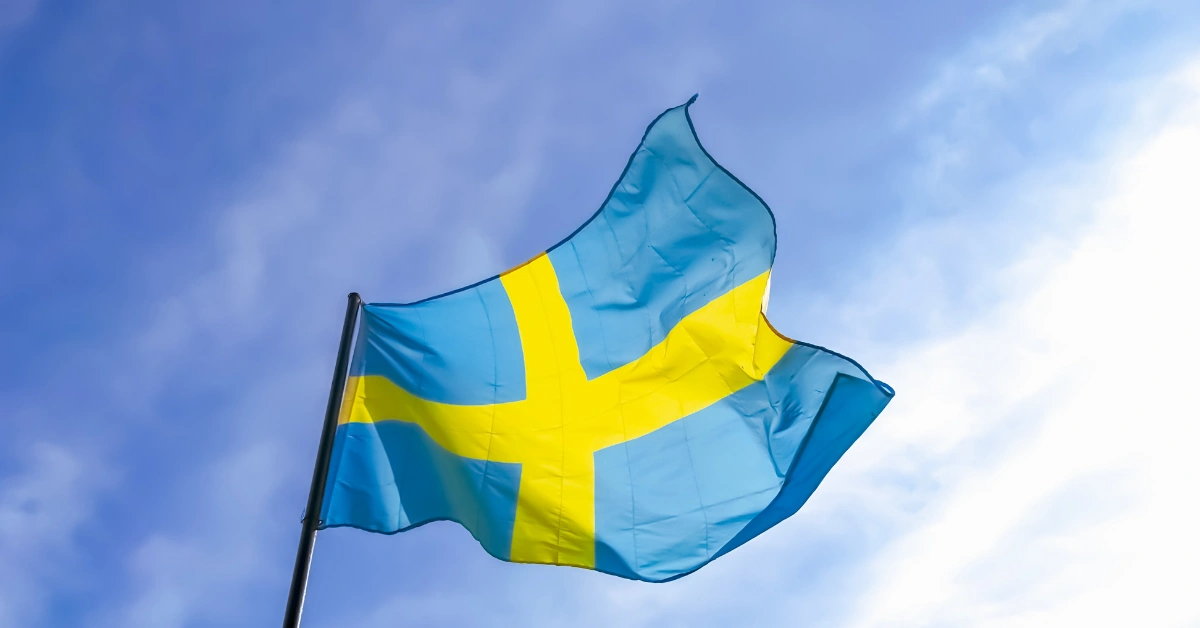
Expanded Credit Ban and AMLA Engagement: Sweden’s Bold Regulatory Steps
In a significant shift in policy, Sweden has announced an expanded ban on gambling financed by credit, which will take effect on May 1, 2026. Under this new rule, all forms of gambling that involve credit card payments, loans, and buy‑now‑pay‑later options are now prohibited. This aims to protect consumers by preventing the use of borrowed funds to participate in gambling, a move that directly addresses growing concerns over gambling‑related financial exploitation.
The updated law is part of Sweden’s ongoing commitment to player protection and responsible gambling. Previously, many operators allowed players to use credit to fund their gambling. This practice often resulted in over-indebtedness, creating severe financial harm and contributing to problem gambling. With this expanded measure, the Swedish government aims to curtail these risks, ensuring that individuals are only able to gamble with their funds and reducing the financial burden that can result from borrowing money for gambling activities.
The credit ban will also impact licensed operators, who will now be required to verify payment methods and ensure that players are not using credit cards or other loan‑based funding sources. This adjustment to the law is a clear message to the industry that responsible gambling is not just about promoting safer betting products but also about controlling financial mechanisms that could lead to harm.
AMLA Consultations: Strengthening EU-Wide Financial Crime Prevention Standards
At the same time, Spelinspektionen is urging licensed gambling operators to weigh in on the European Anti‑Money Laundering Authority’s (AMLA) consultation process, which is a key part of efforts to standardise anti‑money laundering and counter‑terrorist financing measures across the EU.
The AMLA consultation is part of a larger EU strategy to strengthen financial crime prevention in the digital space, particularly where gambling platforms handle large volumes of financial transactions. Spelinspektionen has called on stakeholders to share their views on the draft enforcement standards, which cover critical aspects such as customer due diligence, transaction monitoring, and cross‑border information sharing. The aim is to ensure that online gambling operators are compliant with EU‑wide rules to prevent money laundering and related financial crimes.
For Sweden, this engagement with AMLA consultations also ties into efforts to tighten regulation of both gambling advertising and the broader iGaming ecosystem. By participating in these consultations, Sweden can advocate for an effective framework that aligns with its commitment to responsible gambling while ensuring that financial transactions in the industry remain transparent and accountable.
Aligning with Broader EU and National Efforts to Strengthen Market Integrity
The expanded credit ban in Sweden complements a growing commitment across Europe to strengthen consumer protections and enforce stricter compliance standards within gambling markets. Sweden’s regulatory measures align with ongoing discussions within the EU regarding market integrity and financial crime prevention, particularly where digital gambling platforms are concerned.
Further highlighting Sweden’s role in international responsible gambling, the Swedish Gambling Inspectorate’s ongoing updates to supervision fees will ensure that gambling operators meet higher compliance standards, particularly in their advertising and marketing practices.
What’s Next for Sweden’s Gambling Regulations?
As Sweden moves forward with these regulatory changes, operators are expected to make necessary adjustments to their payment systems and advertising practices to comply with the expanded credit ban and EU standards. The consultation process for AMLA enforcement rules is likely to shape how Sweden adapts its national framework to align with EU‑wide financial crime prevention initiatives.
Meanwhile, the Swedish gambling sector will continue to see increased scrutiny in 2026 and beyond, with both the credit ban and AMLA consultations ensuring that the market remains safe, transparent, and aligned with global best practices.