Home News Brazil Betting Ban Could Remove R$2.6bn From Olympic Sports
Brazil Betting Ban Could Remove R$2.6bn From Olympic Sports
Betting Revenue Had Become Part of Sports Funding
Under Brazil’s previous fixed-odds framework, part of the statutory betting revenue distribution was directed towards sport. The legal allocation included funding for the Brazilian Olympic Committee, the Brazilian Paralympic Committee, sports clubs and government sports programmes.
The Brazilian Olympic Committee’s official funding information confirms that fixed-odds betting had become an additional source of revenue from 2025 alongside federal lottery funding.
That flow is now affected by Provisional Measure 1,394/2026. The Ministry of Finance’s official guidance on the measure confirms that the government prohibited the operation, offering, intermediation and advertising of fixed-odds betting across Brazil.
The funding impact adds another layer to the broader Brazil betting ban timeline and industry response, which has so far centred on operator shutdowns, licence termination and enforcement.
COB Prepares for Lower Revenue Before LA 2028
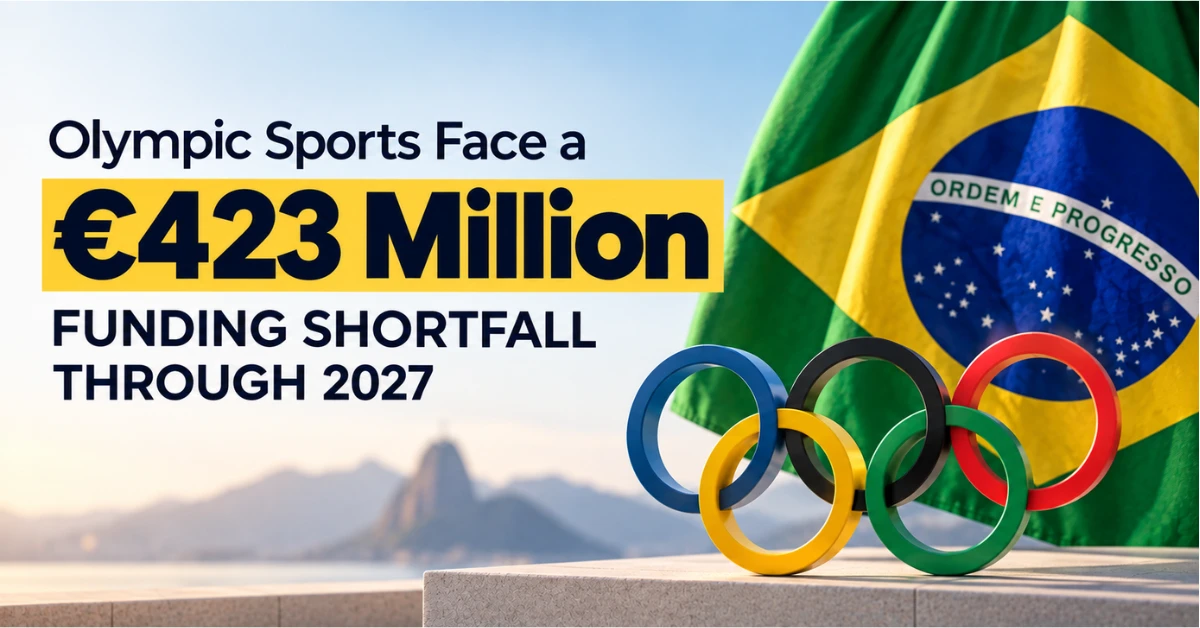
The Brazilian Olympic Committee is expected to lose between R$125m and R$130m in 2027, equivalent to roughly one-fifth of its annual budget. The organisation is considering internal spending reductions and the use of reserves while seeking to protect athlete preparation for Los Angeles 2028.
COB President Marco La Porta said:
Our biggest impact will be next year because there will be no revenue.
The financial adjustment comes as the market is already showing other consequences of the prohibition. Offshore brands have increased their share of Brazilian iGaming search interest, while authorities are simultaneously responding to a rise in illegal betting sites detected after the ban.
For sports organisations, however, the immediate issue is budget certainty. The end of betting-related statutory distributions means governing bodies must reassess planned investment, development programmes and longer-term funding models just as preparations for the next Olympic Games accelerate.