Ace Alliance Horizon & Speed Rome
Early Bird Passes Available! | November 2, 2026
Get Your Pass!
Table Of Content :

US House Committee Advances Full Gambling Loss Tax Deduction

trust
Ace Alliance: Delivering Trust Through Expertise
From exclusive events and interviews to real-time market trends, Ace Alliance brings you unbiased, well-informed, and data-driven content. Our editorial team adheres to strict editorial standards, ensuring that the information you receive is not only relevant but also trustworthy.

Built by market experts hosting events since 2023, with our first event in Riga, Latvia gathering over 300 top level iGaming industry executives, Ace Alliance is able to provide you with reliable information from direct interaction with experts and leaders in the sector.
Altay
Altay Celikkaya
Content Manager
Updated:
Reading Time: 3 minutes

The US House Ways and Means Committee has advanced legislation that would restore the full federal deduction for gambling losses up to the amount of gambling winnings. H.R. 10357, the Digital Asset Tax Certainty Act, passed the committee by a 38–5 vote on 16 September and includes the gambling provision within a broader package of digital asset tax measures.

The vote moves the proposal further through Congress, but it does not change current federal tax law. The 90% deduction restriction remains applicable to the 2026 tax year unless the legislation completes the congressional process and is enacted.

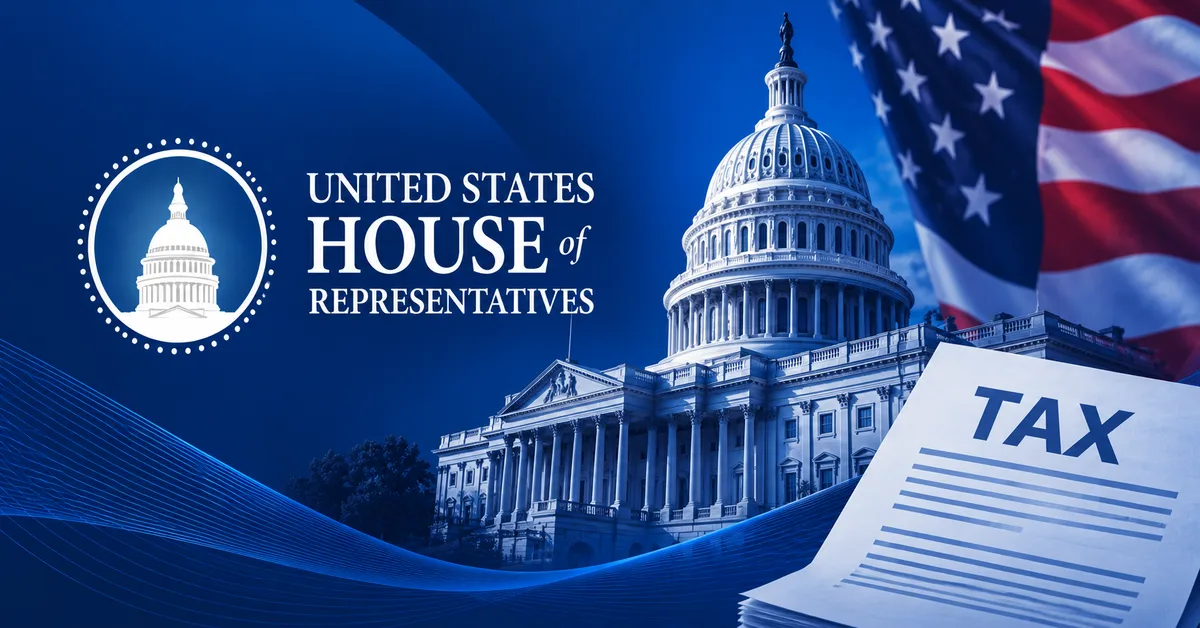
US House of Representatives graphic featuring the Capitol, American flag and a tax document, illustrating the proposed restoration of full gambling loss deductions.

Regulation & Compliance

Key Takeaways From The Committee Vote On Gambling Tax Policy

  • The existing rule limits deductible wagering losses to the lower of 90% of those losses or gambling gains for the taxable year

  • H.R. 10357 proposes removing the 90% limitation for taxable years beginning after 31 December 2025

  • The proposal would allow losses to be deducted only up to gambling winnings rather than create deductions beyond those gains

  • Committee approval does not itself amend the tax code and the current restriction remains in place

  • Further legislative approval is required before the proposed change can become law

Gambling Provision Moves Inside Wider Digital Asset Bill

The proposed tax change appears under the FULL HOUSE Act section of H.R. 10357 rather than moving as a standalone gambling measure. The wider legislation primarily addresses federal tax treatment for digital assets, including reporting requirements, trading, mining, and staking.

According to the House Ways and Means Committee, the legislation also contains a change intended to restore the ability of taxpayers to deduct gambling-related financial losses and prevent taxation on income they did not ultimately retain.

Committee Chairman Jason Smith said:

This legislation would be the first-ever federal law to address the substantive tax treatment of cryptocurrencies and other digital assets.

For gambling stakeholders, the legislative vehicle is significant because the deduction proposal is now attached to a broader tax package. Its progress will therefore depend partly on how lawmakers handle the wider bill as it moves beyond committee.

The measure also arrives during broader congressional scrutiny of gambling-related tax policy. Earlier in 2026, lawmakers introduced legislation proposing that part of the existing federal sports wagering excise tax be redirected towards problem gambling services, showing that federal wagering taxation remains an active policy area.

Why The 90 Percent Rule Still Matters In 2026

Under current law, wagering losses are deductible only up to the lower of 90% of those losses or the taxpayer’s gambling gains. This can create taxable income even where a bettor’s overall wagering results are close to break-even.

H.R. 10357 would remove the 90% threshold and return the deduction to the full extent of gambling gains. A taxpayer with equal gambling winnings and qualifying wagering losses could therefore fully offset those winnings under the proposal.

However, the provision should not be interpreted as allowing unlimited gambling-loss deductions. Losses exceeding gambling winnings would still not become a general deduction against unrelated income under the proposed framework.

The issue also comes as gambling taxation receives greater attention across the wider US market. Commercial gaming generated $4.53 billion in state gaming tax revenue during the second quarter of 2026, even as the sector recorded different growth patterns across iGaming, sports betting and land-based gaming. US commercial gaming revenue reached $20.39 billion in Q2.

Those state-level revenues are separate from the individual federal income-tax deduction at issue in H.R. 10357, but they underline the growing financial importance of gambling within US tax policy.

Full Deduction Has Not Yet Been Restored

The next stage is legislative rather than administrative. Committee approval allows H.R. 10357 to move forward, but the gambling deduction provision has not yet been enacted.

The measure would still need to advance through the wider House and Senate legislative process before becoming law. Until that happens, the existing restriction for taxable years beginning after 31 December 2025 remains the relevant federal rule.

For operators and other B2B stakeholders, the immediate operational impact is therefore limited. The committee vote does not change sportsbook tax rates, state licensing costs or gaming levies, but it remains relevant to customers whose wagering activity generates substantial gross wins and losses.

The debate is taking place alongside wider policy pressure on the US betting sector. DraftKings, FanDuel, Fanatics and bet365 have committed $72 million to a bipartisan political campaign during the 2026 election cycle, while betting taxation, market access and regulatory authority continue to feature in policy discussions. Taxation and regulation are becoming increasingly prominent issues for major US betting operators.

The 38–5 committee vote represents a significant procedural step for the proposed deduction change. The distinction for the 2026 tax year, however, remains clear. Congress has advanced legislation that could restore the full gambling loss deduction, but the 90% restriction remains in force unless the measure completes the legislative process and is enacted.